wellness column

Home 1, wellness column

It’s All a Bit Nuts! Cutting Through the Confusion on Nuts, Ageing and Bone Health

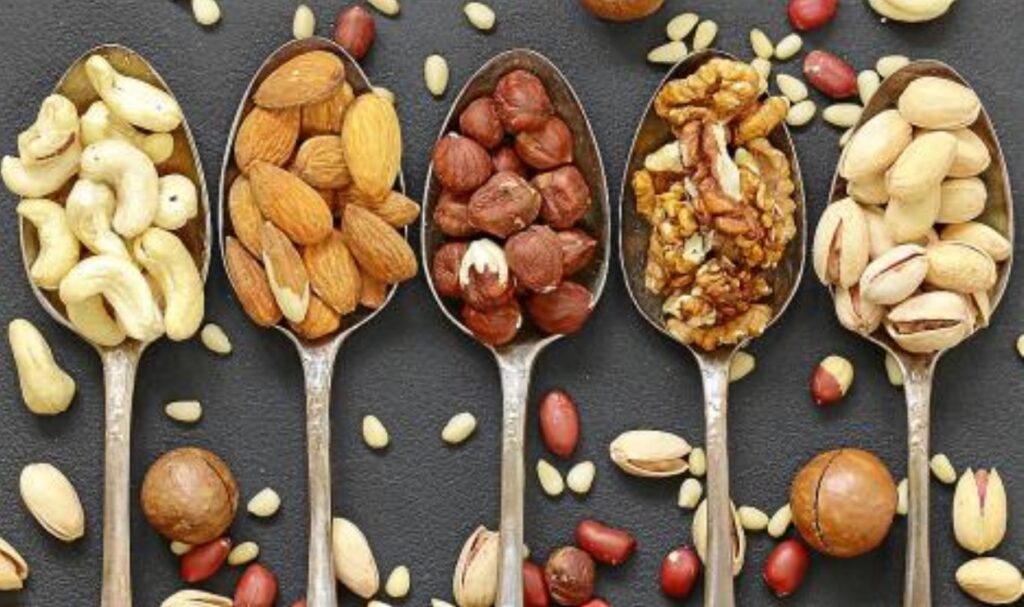
As we move into a new year, many have been asking me the same thing: “Amanda, can you help make healthy choices simpler?” Less confusion, contradiction, fewer food rules, and more clarity around what actually supports long-term health. So throughout the year I am going to choose different topics each month, to provide an easy and simple guide to follow. So my first topic of the year is Nuts. Are they good for us? Bad for us? A superfood one day and inflammatory the next? Should we snack on them, avoid them, soak them, roast them – or just give up entirely? The truth, as with most things in wellness, is that nuts can be powerful allies for healthy ageing, bone density and metabolic health, if we choose the right ones, eat sensible amounts, and understand how to pair them. Why Nuts Matter as We Age From our 40s onwards, nutrition becomes less about fueling workouts and more about preserving what we have — bone density, muscle mass, hormonal balance, mitochondrial function (our cells’ energy factories), and brain and heart health. Protein intake becomes increasingly important, particularly for women, while inflammation and oxidative stress begin to play a bigger role in ageing. Nuts contribute to all of these, offering a combination of plant protein, healthy fats, minerals and antioxidants – but not all nuts deliver the same benefits. The Nuts Best Enjoyed in Moderation (or Avoided)! PeanutsDespite their popularity, peanuts aren’t actually nuts – they’re legumes. They are prone to contamination with aflatoxins, toxic moulds that place stress on the liver and immune system. They’re also high in omega-6 fatty acids, which in excess can promote inflammation – not ideal for joint, bone or mitochondrial health. Add to that the highly processed peanut butters on supermarket shelves, and this is one nut best kept for very occasional. Brazil NutsNutritional powerhouses, yes — but also a classic case of “less is more.” Brazil nuts are extremely rich in selenium, vital for thyroid health and antioxidant defence. Just one or two per day is enough. More than that, consumed regularly, can lead to selenium overload, affecting nerves, hair and nails. CashewsCashews are another botanical imposter – technically seeds. I was sad to learn cashews are one of the worst “nuts” to consume – they are more acidic than most nuts and can be harder to digest, especially for those with sensitive stomachs or inflammatory conditions. Also high in fat, high in oxalates (which contribute to kidney stone formation), as well as being highly allergenic. Fine occasionally, but not good as a daily staple for healthy ageing. Pine NutsBeloved in pesto, but surprisingly high in omega-6 fats. Overconsumption may increase oxidative stress and negatively affect mitochondrial function. The good news? Pesto made with walnuts or macadamias is equally delicious — and far more supportive. PeanutsDespite their popularity, peanuts aren’t actually nuts – they’re legumes. They are prone to contamination with aflatoxins, toxic moulds that place stress on the liver and immune system. They’re also high in omega-6 fatty acids, which in excess can promote inflammation – not ideal for joint, bone or mitochondrial health. Add to that the highly processed peanut butters on supermarket shelves, and this is one nut best kept for very occasional. Brazil NutsNutritional powerhouses, yes — but also a classic case of “less is more.” Brazil nuts are extremely rich in selenium, vital for thyroid health and antioxidant defence. Just one or two per day is enough. More than that, consumed regularly, can lead to selenium overload, affecting nerves, hair and nails. CashewsCashews are another botanical imposter – technically seeds. I was sad to learn cashews are one of the worst “nuts” to consume – they are more acidic than most nuts and can be harder to digest, especially for those with sensitive stomachs or inflammatory conditions. Also high in fat, high in oxalates (which contribute to kidney stone formation), as well as being highly allergenic. Fine occasionally, but not good as a daily staple for healthy ageing. Pine NutsBeloved in pesto, but surprisingly high in omega-6 fats. Overconsumption may increase oxidative stress and negatively affect mitochondrial function. The good news? Pesto made with walnuts or macadamias is equally delicious — and far more supportive. The Nuts That Truly Support Healthy Ageing WalnutsRich in omega-3s, walnuts support brain health and help reduce inflammation. A small handful per day, raw or lightly toasted, is plenty. Pair with berries or leafy greens to enhance antioxidant absorption. Because walnuts oxidise easily, store them in the fridge. AlmondsAlmonds are stars when it comes to bone health. They provide calcium, magnesium, phosphorus and vitamin E — all essential for bone density, cardiovascular repair and brain protection. Almonds also help stabilise blood sugar and lower cholesterol. A small handful per day, raw or lightly dry-roasted, works well. Soaking overnight can improve digestibility and improve bio-availability of vitamins and minerals. Macadamia NutsThese are particularly supportive for metabolic health. High in monounsaturated fats, macadamias help lower oxidative stress and support metabolic health. Around 10 per day is ideal. Pair with green tea or dark chocolate for antioxidant synergy. PistachiosOften underestimated, pistachios are excellent for circulation, eye health and vascular flexibility. Rich in L-arginine (a precursor to nitric oxide), they support healthy blood flow, blood pressure and even sexual health. Aim for 30-40 per day, preferably unsalted and in their shells. HazelnutsHazelnuts support skin, nervous system and bone health thanks to their vitamin E and manganese content. They also contain polyphenols that help reduce oxidative damage. Enjoy a small handful a few times a week, ideally with berries or greens. PecansPacked with antioxidants and monounsaturated fats, pecans support heart health and provide zinc and magnesium – important for immunity and bone strength. Bone Health and Ageing Bone health is not just about calcium. It’s about the delicate balance between minerals, hormones, inflammation and mitochondrial energy production. Nuts can play a valuable role, but only when eaten in appropriate amounts and as part of a varied, whole-food diet.
Boudoir Photography by Adele Mallorca
Home 1, wellness column

The Art of Becoming: How Boudoir Photography Is Healing Women from the Inside Out – with Boudoir Photographer Adele Odette

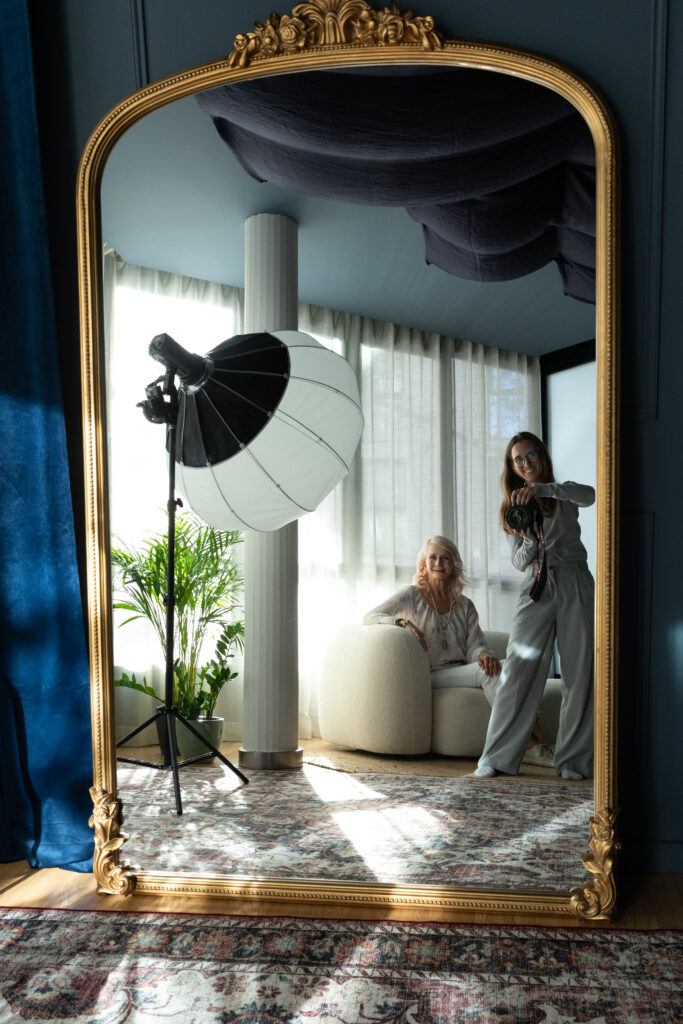
Last week, I stepped into a world where wellness meets artistry, femininity meets courage, and self-worth finds a new language. I met with French photographer Adele Odette, the woman behind By Adele Photography and By Adele Boudoir, to explore her deeply empowering work with women here in Mallorca. Her new studio, tucked just off Paseo Mallorca, feels less like a workplace and more like an elegant Parisian apartment. Saturated in velvety midnight blues and muted smoky greys, it exudes the quiet glamour of a refined French boudoir: intimate yet impeccably tasteful. It is the kind of space that seems to whisper, “You are safe. You are beautiful. You can bloom here.” Before we even begin our conversation, Adèle offers me a quote that summarises her philosophy: “Boudoir is not just about sensual and intimate portraits; it’s about embracing your true essence and reconnecting with your power and beauty. Every session is a journey of self-love and empowerment, helping you see yourself as the powerful, beautiful being you truly are.” And as the afternoon unfolds, I realise she means every word. A Process Rooted in Care, Comfort, and Connection The boudoir experience, Adele explains, begins long before a camera is lifted. Clients are invited to visit the studio in advance—to feel the space, meet her, and begin dissolving any nerves. She even accompanies clients lingerie shopping when needed, offering gentle guidance on pieces that flatter their shape and personality. Whether they shop together or follow her curated preparation guide, women arrive on the day knowing they are in capable, compassionate hands. The first two hours are dedicated entirely to easing in: hair and makeup with a professional artist, time to chat, sip coffee or cava, breathe, and center themselves. “It’s important for women to feel like the main character,” she says. “If you walk in and I say, ‘Right, get into your underwear,’ it doesn’t work. They need time to feel cared for, to land.” Only once the client feels settled and glowing do they begin with the first outfit—always something modest, building confidence gradually as the session progresses. With each pose, each breath, each click of the shutter, Adele guides them with reassuring gentleness: where to place hands, how to angle the chin, where to soften, where to lengthen. You can see it happen—the softening, the opening, the dawning realisation.“By the end, they don’t want to stop,” she smiles. “Something unleashes in them.” A Transformation That Goes Beyond the Lens The results are viewed the same day. After the shoot, while clients enjoy lunch—sometimes joined by a partner—Adele selects the strongest images, preparing a gallery that reveals their transformation. “I’m with them when they see the photos for the first time,” she explains. “Most women have never seen themselves like this. Not selfies, not photos from a partner—this is different. It’s important to reassure them that the beauty they’re seeing is real.” Clients choose from exquisite handmade albums, velvet-covered boxes, wall art, or accordion folios. Some later tell her they revisit their album whenever they’re having a difficult day.“They light candles, put on music, and look through their photos,” she says. “It reconnects them to themselves. It brings the magic back.” Boudoir Packages begin at €950, depending on the products chosen, and the experience typically runs from morning to mid-afternoon. There are also couple sessions—often a wedding gift or anniversary celebration—which she describes as “a beautiful date with a touch of spice.” But she prefers women to shoot alone. “When someone is watching—even a husband—the energy changes. Vulnerability needs privacy. But partners are welcome for the photo reveal.” Adele shoots 500–1,000 images per session, selecting the best for clients to review. She offers personal branding packages as well, ranging from €950 to €5,200 for full-day sessions with photo and video content—perfect for entrepreneurs, creatives, and professionals. Empowerment for Every Woman, Every Age, Every Body One of the most moving aspects of Adele’s work is her commitment to authenticity.“All women, all sizes, all ages,” she emphasises. “I want every woman to feel like it could be them. Not just a certain type of body.” Her clients are predominantly 40+, with many in their 50s, 60s, and even 70s.“Younger women often already feel sexy; older women want to reconnect to that. After children, after divorce, after menopause—they want to rediscover themselves.” She calls herself a “visual healer”—a title she wears with humility but also with truth.“Women come thinking they’re doing this for their husband. But afterwards they say, ‘The gift was for him, yes… but the experience was for me.’” In an age where young girls are drowning in AI-manipulated images of “perfect” bodies, Adele’s mission feels not just relevant but vital. “Real women, real bodies,” she says. “Stretch marks, scars, softness, age—it’s all beautiful. I want young girls to see this and understand that ageing is not something to fear.” We talk about the epidemic of low self-worth among teenagers, particularly girls.“They look at these manipulated AI images and want to be that false illusion,” she sighs. “It creates fear, pressure, mental health issues. This work is my way of offering another narrative—one of truth, softness, strength.” My Own Moment in Front of the Lens Before leaving, I stepped into her boudoir to experience a brief personal branding session myself. Though not lingerie-based, I still felt vulnerable, unsure of where to place my hands, how to sit naturally.   Adele was grounding, warm, and disarmingly intuitive. She guided me gently, turning what started as self-consciousness into something surprisingly enjoyable. By the end, I understood why her clients call the experience healing. A Safe Haven for Self-Rediscovery “You’ve created a sanctuary,” I told her before leaving. “That’s exactly what I want,” she said. “A sanctuary where women can reconnect with their inner and outer beauty. A place to blossom.” If you’re considering a transformative experience—or searching for the perfect gift with meaning this Christmas—Adele offers beautifully packaged gift vouchers. She also provides personal branding sessions designed to elevate entrepreneurs and professionals

wellness column

Sacar Pecho — A Journey of Strength, Hope & Healing from Cancer

I was invited to attend the premiere of Sacar Pecho-Del Viaje Con El Miedo, Standing Tall – The Journey With Fear,  at the Teatro Principal de Palma earlier this month— a deeply moving documentary filmed here in Mallorca. This film features eight women diagnosed with breast cancer, sharing their stories, fears, and triumphs. The experience carried extra weight for me, because one of the protagonists, Sheriellane Pascua, is the Pilipino wife of my late father’s caregiver. They both cared for my father tenderly for the last few years of his life. Seeing Sheriellane on screen, speaking of her experiences, was beautiful, powerful and deeply emotive. Sacar Pecho, directed by Rubén Capilla and Álex Rodríguez and produced by Vivir del Cuento Comunicació, has was submitted for the Balearic Talent Award at the Atlàntida Mallorca Film Fest. More than just a film; it’s a piece of cinematic medicine for anyone who has heard the words, “You have breast cancer.” Its goal is to humanise medicine, raise awareness, and offer solidarity to those facing this disease — with around 800 women diagnosed annually here in the Balearic Islands. The film follows Ana, Mari Pau, Joana, Bel, Mar, Eva, Sheriellane, and Leire — women from very different backgrounds united by one shared journey. Their path spans the rugged beauty of Mallorca’s Serra de Tramuntana, taking them along the GR221 from Pollensa to Andratx over several days. More than hiking, more than camaraderie, the journey becomes a metaphor for the inner landscape of confronting fear, pain, and uncertainty. Oncologist Dr. Antònia Perelló shared how the protagonists open their hearts about the moment of diagnosis, the fear, the support, the setbacks and the rallies. The film reminds us that breast cancer is one of the most common health issues affecting women: in the Balearic Islands, roughly 800 yearly diagnoses; in Spain, 1 in 8 women will be diagnosed in their lifetime. President Llorenç Galmés from the Consell de Mallorca described it as “the clear and courageous voice of women who reveal pain but also strength, life, dignity.” It underscores values that matter deeply: transparency in medicine, emotional authenticity, and the healing power of nature, friendship and movement. Innovations & Hope in Treatment While hearing these stories — especially Sheriellane’s, diagnosed at just 27 and contending with recurrence — reminded me how ruthless breast cancer can be, and thankfully, the remarkable progress in treatment. Cutting-edge advances such as hormone therapies, immunotherapies, and personalised medicine (guided by genetic and molecular profiling) are making care more effective while reducing side effects. Survival rates for early-stage breast cancer are now over 90% at five years, thanks to earlier detection, improved imaging, and systemic therapies. These advances mean breast cancer is increasingly seen not just as a battle to endure, but as a challenge that many overcome and live beyond — with quality, purpose, and hope. Sheriellane’s Story: From Patient to Thriver Sheriellane’s presence in the documentary touched me deeply, but her own words capture her journey best: “I was first diagnosed with breast cancer in 2015 at the age of 27 while living in Norway. When I later moved to Mallorca to join my fiancé, I suffered a relapse in 2018 when it metastasized into my bone, particularly my sternum. I began treatment through the Spanish national health system, which was so incredible – I shudder to think what might have happened had I still been living in the Philippines. I was also blessed with support by what I firmly believe was divine intervention, from an integrative medical centre, Cell Medicum, where I received therapies to boost my immune system between chemotherapy sessions. This helped me regain enough vitality to find a job while applying for Spanish residency, something for which I will be eternally grateful. Now, 10 years on at 37, I’m not just surviving but thriving. My journey has been about resilience, finding strength in vulnerability, and proving that life can still be full of purpose and joy, despite the challenges.” She adds: “My story isn’t about fighting cancer, it’s about living fully with it. Cancer didn’t take away my dreams — it gave me a louder voice to remind others: don’t wait for life to be perfect to celebrate it. Many people feel silenced by illness. I chose to speak up — through this documentary, social media, and writing — turning what could have been private suffering into public empowerment.” Sheriellane also shared that the documentary is currently nominated at the Atlàntida Film Festival. While the producers have not yet confirmed its next screenings, there is hope it will soon reach other platforms — with English subtitles — so it can inspire an even wider audience. Her most moving words came when she reflected on walking in the Serra de Tramuntana with the other women: “I felt an incredible mix of peace and power. Surrounded by the striking beauty of nature and sisterhood, it was as if the mountains carried our pain but also amplified our strength. In that moment, I wasn’t just a cancer patient — I was a thriver, walking with hope, resilience, and connection.” I was immensely proud of Sheriellane. Her courage at such a young age, her vulnerability and resilience, are inspiring. And thankfully, treatments have improved enormously in recent years. More precision, less invasive techniques, earlier detection — all leading to longer survival, fewer side-effects, and better quality of life. The Takeaway Sacar Pecho is more than a documentary – it’s a rallying cry, a comfort, a lifeline. It shows that a diagnosis doesn’t mean surrender; there is community, there is nature, there is movement; and above all, there is hope. To any woman reading this who is on this journey, or knows someone who is: you are not alone. The path may be rugged, but it is possible to stand tall, to heal, and to live — and live well. Because with each year of medical innovation, each shared story, and each act of compassion, we move closer toward a

wellness column

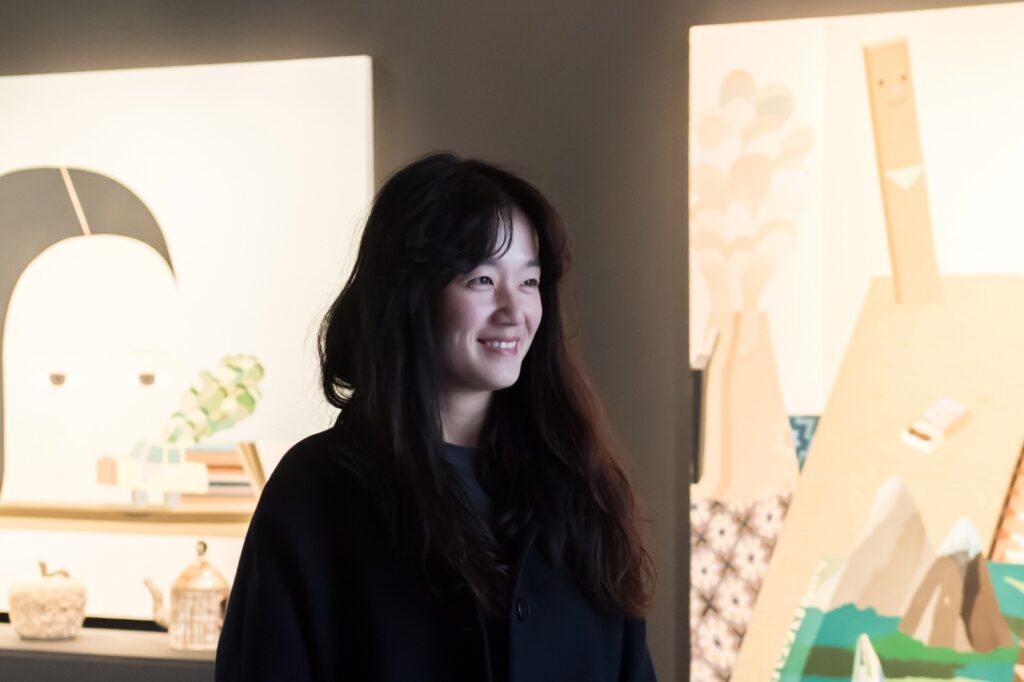
Finding Strength in Vulnerability in The Yeti’s Garden – where Can Bordoy has been transformed into a space where dreams merge with reality with an exhibition by Korean artist Miju Lee.

In the heart of Palma’s old town, behind centuries-old stone walls, sits Can Bordoy Grand House & Garden—a luxury five-star hotel with a beautiful walled garden, where its timeless atmosphere has been suspended in space by the enchanting exhibition of The Yeti’s Garden by Korean artist Miju Lee. Invited to meet PR Manager Monica Cerdá Gómez and Gallery Assistant Abril Furcada I entered the cobbled courtyard and was immediately greeted by a whimsical sculpture: a Yeti, holding a flower, stepping timidly into the world. This gentle yeti is the central figure of Lee’s first exhibition in Spain, a collaboration with Madrid gallery owner Marc Biblioni, who discovered the artist five years ago through social networks. Lee’s path into art was anything but conventional. Originally trained as an industrial designer, she abandoned that career to follow her intuition, moving to Barcelona to study ceramics. It was there she shaped her distinctive voice—fusing Western abstraction with East Asian sensibility. The result is a pictorial language where ambiguity, softness, and fragility aren’t weaknesses, but rather luminous symbols of inner strength. At Can Bordoy, this delicate tension between vulnerability and resilience is embodied in the Yeti—a shy, lumpy figure crouched in stillness, expressionless yet quietly resilient. For Lee, the Yeti is an alter ego, inspired by her childhood dreams. In Himalayan cultures, the Yeti is a guardian spirit, a supernatural force connected to the untamed wilderness and revered as a protector of sacred lands. In Lee’s work, it becomes something even more intimate: a guide through memory, imagination, and the most vulnerable corners of the self. The exhibition, composed of twelve sculptures and paintings, carries viewers into a dreamlike world, where reality and reverie dissolve into one another. In Underwater, positioned on the stairwell beneath the hotel’s rooftop pool, rippling light reflections spill across the canvas, echoing its theme: that life is rarely as it seems on the surface, and that deeper truths reveal themselves only when we dare to look beneath the surface. Another piece, Fuego – The End of the Dream, depicts the Yeti within a mirror overlooking the Hotel’s bar, quietly reminding us of endings that seed new beginnings. Other key elements in Lee’s symbology, such as mushrooms and butterflies, evoke concepts such as ideas or delicacy, with the Yeti being the guide of her world. What struck me most was how seamlessly Lee’s work harmonised with Can Bordoy itself. The hotel already blurs past and present, offering guests a retreat into stillness and beauty. Likewise, Lee’s yetis invite us to pause, to embrace the unknown, to hold space for tenderness in a world that often demands a harsher reality. This exhibition also reflects a refreshing trend in the art world: moving artworks beyond the white walls of galleries and into spaces that breathe with life. Experiencing art in such an environment—surrounded by gardens, stone arches, and the hum of quiet conversations—changes how we receive it. It feels personal, almost like stepping into a friend’s home, where art is lived with rather than simply observed. For those seeking an experience that nurtures both the senses and the spirit, The Yeti’s Garden offers more than visual delight. It is a meditation on vulnerability as beauty, on silence as strength, on the quiet resilience that so often goes unnoticed in our daily lives. Pair it with a cocktail at the bar, or a gastronomic meal at Botànic, the hotel’s ‘plant forward’ organic garden restaurant, and the experience becomes nourishment for both body and soul. If you find yourself in Palma before October 31, don’t miss the chance to wander into Miju Lee’s world. Like the Yeti itself, the exhibition does not dictate meaning—it suggests, it whispers, it leaves room for the magical. Sometimes, the most profound discoveries lie not in what we are told, but in what we are invited to imagine. The Yeti’s Garden by Miju Lee📍 Can Bordoy Grand House & Garden, Forn de la Gloria 14, Palma de Mallorca🗓 Open daily until October 31* Free admission DM Amanda if you have a wellness story to share, or follow Amanda on IG @amandabmallorca for all things wellness in Mallorca.

wellness column

Wellness: Breathing Through Grief and Into Life – The Work of Danny Veerman, Soul Breath Mallorca

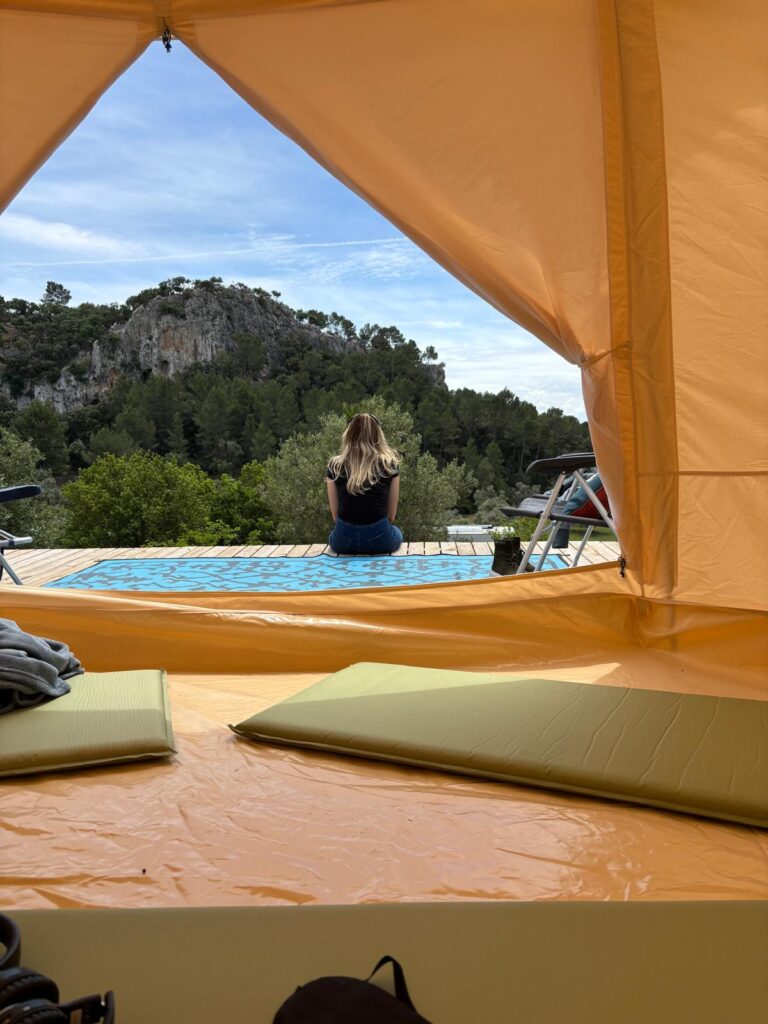
There are moments in life that shift the course of everything that follows. For Danny Veerman, founder of Soul Breath Mallorca, that moment came on March 17, 2023, when his daughter Sarah passed away in Austria. Faced with unbearable grief, he found himself standing on the edge of despair—until a quiet inner voice urged him to simply breathe. That simple act became his anchor. For months afterward, Danny practiced conscious connected breathing every day. It became both an outlet for his pain and a place of solace. Through tears, screams, and the raw ache of loss, he also found moments of calm and even bliss. Breathwork, which he had first encountered years earlier at an Ayahuasca retreat, revealed itself as not just a tool but a lifeline. As he now says with quiet certainty: “My breathwork saved my life.” From Lawyer to Healer Danny’s path to this work has been anything but linear. For three decades he lived and worked as a lawyer in the Netherlands, until in 2010 he decided to step away from courtroom battles and train as a mediator. The shift from adversarial argument to collaborative resolution awakened a new interest: the psychology of conflict. By 2016, he had trained as a coach, eventually focusing on couples counselling. Music, too, was always part of his life—he played in bands (The Love Handles and a JJ Cale tribute group) and loved spending time on his boat, Elvis, exploring the canals of Amsterdam. But when Sarah died, everything changed. Coaching, counselling, and music remained important, but grief and breathwork together redirected him toward a deeper mission. Breathwork as Transformation So what exactly is breathwork? At its core, it is the conscious use of breathing techniques to influence the nervous system. As Danny explains, “By breathing high in the chest you can induce your parasympathetic nervous system, releasing adrenaline and alertness. By breathing slowly, with long out-breaths, you calm the body. Most people don’t realise they carry this powerful tool within them.” In the conscious connected breathing sessions he now facilitates, Danny guides people into a state where the thinking mind quiets and the subconscious emerges. Here, memories and emotions long stored in the body can be accessed, processed, and released. The results can be profound: breakthroughs in personal healing, emotional release, or simply deep relaxation. Unlike traditional talk therapy, breathwork is somatic—working with the body rather than just cognition. “When you talk, the conscious mind is at work, and people sometimes hide behind answers they think are acceptable,” Danny explains. “Breathwork bypasses that filter, activating the subconscious where the real stories are stored.” A Mission Shaped by Loss Danny has trained in 9D Breathwork, a transformative practice combining music, guidance, and multi-sensory stimulation over 90 minutes. His sessions attract people from all walks of life: hotel owners, yacht crew, airline pilots, young seekers, and even other breathwork teachers. Some arrive seeking healing from trauma or grief, others simply curious, and many leave with a sense of release they didn’t expect. His mission, born from personal tragedy, is clear: “I want to dedicate my life to helping people connect with others and (re)connect with themselves.” This includes his coaching work, often weaving breathwork into couples counselling. For those who struggle to express emotions, a breathwork session before coaching can open doors that talking alone cannot. Danny believes passionately that awareness of breath should begin in childhood. Having lived with asthma and years of heavy medication, he often wonders how his life might have been different if a breath coach had guided him early on. “It would be amazing if parents paid attention to how their children breathe,” he says. Grief, Growth, and Guidance Danny doesn’t pretend grief is something to “get over.” Instead, he sees it as growth: “The grief for the loss of my daughter stays, but I have grown bigger.” He gives himself permission to speak of Sarah when he feels ready, and also permission not to answer when it is too much. It’s a balance of openness and self-protection, one he encourages others to honour. His guiding philosophy is written on his skin: Memento Mori and Amor Fati—“Remember, this life will end, so live it fully. Love your fate.” Sarah, he says, is with him every day, and he honours her by living joyfully and helping others find healing through breath. My Experience at Soul Breath Mallorca If you have ever wondered whether breathwork could help you, let me add my own experience. From the moment you arrive at Danny’s sanctuary in Mallorca, you feel held in a safe and healing space surrounded by nature and tranquility. His sessions are masterfully guided, combining music and technique to take you on a journey inward. What struck me most was how natural it felt to let go under his guidance. His own story—his pain, resilience, and wisdom—infuses the space with authenticity. In a single session, you begin to sense the possibility of release from old blockages, even from places within yourself you didn’t know existed. Danny’s 9D Breathwork is not just a technique—it is a healing art. For me, it was a profound journey back to a more authentic version of myself, lighter and clearer. The space held, the place and the overall experience truly feels like finding a little piece of heaven in Mallorca. 📌 Soul Breath MallorcaSessions with Danny Veerman🌐 www.soulbreathmallorca.com📧 danny@soulbreathmallorca.com📱 WhatsApp: +34 686 701 080Instagram: @dannyveermanbreathwork

Home 1, wellness column

The Wellness Column: The Right Cheese Choices for Healthy Aging

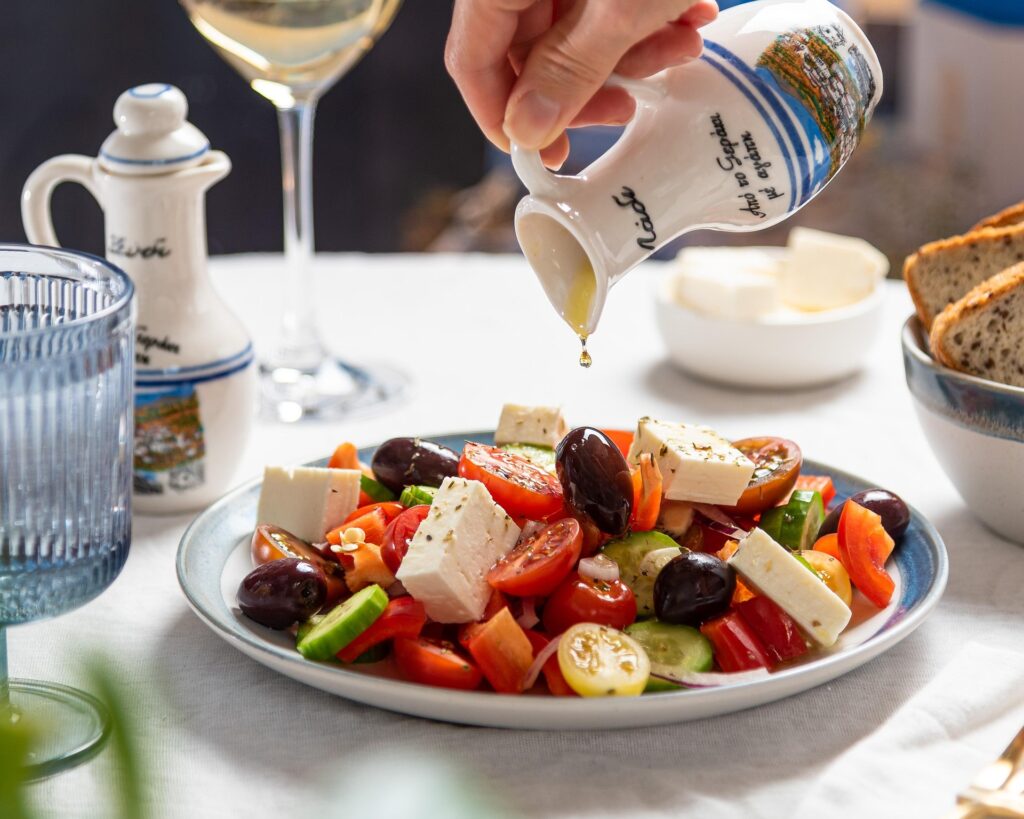
Cheese is one of life’s simple pleasures. Creamy, crumbly, sharp, or mellow, it brings comfort and depth to meals. But as we age, our bodies change—digestive capacity slows, immune systems weaken, and the balance between what delights our tastebuds and what nourishes our health becomes increasingly important. A recent YouTube video caught my eyer, by health educator Barbara O’Neill titled “Over 60 – 4 Cheeses You Should NEVER Touch and 4 You MUST Eat Daily!” I personally am interested in all aspects of wellness, but do not profess to being a trained dietitian.  I love collecting tips from all the health gurus we have available at our fingertips, and felt it worth sharing since most of us love a bit of cheese! Of key interest, highlighted by O’Neill, is how certain cheeses can pose real risks for older adults (as our stomachs become more sensitive with age), while others may help safeguard muscles, bones, and gut health. Her insights shed light on how we can still enjoy cheese, but with greater awareness of which varieties support wellbeing and which can quietly undermine it. The Four Cheeses to Avoid 1. Soft-rind – such as Brie and Camembert That familiar white rind, created by Penicillium candidum, gives these cheeses their distinctive flavour and texture. But it also creates the perfect environment for the dangerous bacterium Listeria monocytogenes. Unlike many microbes, listeria can survive—and even multiply—in the refrigerator. It can cause severe illness such as meningitis or septicemia, and because symptoms may take weeks to appear, tracing the source can be difficult. While pasteurisation kills bacteria during production, recontamination can easily occur during aging or handling. For younger, healthy adults the risk is small. For seniors, however, where immunity may be compromised, the consequences can be very serious. 2. Queso Fresco This fresh Latin American cheese is often made with raw, unpasteurised milk, leaving it vulnerable to deadly bacteria like E. coli. Even pasteurised versions can quickly become unsafe if stored incorrectly, as their high moisture content provides an ideal breeding ground for harmful microbes. 3. Feta Feta’s crumbly, salty tang makes it a popular topping for salads and mezze plates. But that delicious creaminess comes with a sodium load that can stress the heart and arteries. Sprinkled liberally, as in a normal restaurant serving, it can be a time bomb—particularly for those with hypertension or age-related decline in kidney function. On a positive note, if you choose a traditional block-style feta, and use it sparingly, you can gain the natural pro-biotic benefits, without suffering the sodium assault. 4. Ultra-processed Cheeses – pre-sliced or shredded, aerosol, cheese spreads While convenient, these cheeses contain lots of artificial flavours and additives, are high in sodium, and non-dairy fats, and can exacerbate blood pressure issues and contribute to inflammation. Cheddar-style shreds are loaded with anti-caking agents, aerosols are full of hydrogenated oils and stabilisers, artificial ingredients and preservatives, and spreads are full of fillers, modified starches and whey powders. The Four Cheeses to Choose 1. Swiss Cheese – The Probiotic Powerhouse Mild and nutty, Swiss cheese’s distinctive holes are formed by a natural fermentation process. Low in sodium, but rich in vitamins A and B12, high in minerals including zinc and phosphorus, as well as protein and probiotics, it supports bone health and gut immunity without artificial additives. Probiotics act as a “second immune system,” fortifying the body’s natural defenses—especially crucial for older adults. It also contains conjugated linoleic acid (CLA), a fatty acid that has been linked to several health benefits offering immune system support and anti-cancer properties. Pair with fresh fruits and vegetables to balance out the calorie and fat content. 2. Cottage Cheese – The Muscle Saver One cup delivers 28 grams of protein, keeping a steady stream of amino acids flowing for hours. Its high leucine content triggers muscle growth, helping to preserve lean mass—a key factor in maintaining independence with age. Cottage cheese is naturally low in lactose and, when chosen in its low-sodium version, supports bone health without overburdening the kidneys. Pairing it with vitamin C–rich berries can boost collagen production, while probiotics enhance gut health. A sprinkle of flaxseeds adds omega-3s for extra anti-inflammatory protection. 3. Parmesan – The Bone Fortifier Born from the lush landscapes of Italy, Parmigiano-Reggiano stands as a testament to simplicity and flavour. Made from just milk, salt, and rennet, this aged cheese carries an intense flavour profile that’s naturally low in lactose. Few foods rival Parmesan’s bone-strengthening properties. It is packed with highly absorbable calcium, alongside magnesium, zinc, and Vitamin K2. Together, these nutrients work synergistically: Freshly grated Parmesan is best, avoiding the additives and caking agents often found in pre-grated packets. 4. Goat Cheese – The Gut Guardian With smaller fat molecules and 30% less lactose than cow’s cheese, goat cheese is gentler on digestion—an important advantage when 40% of older adults are lactose intolerant. Its probiotics increase beneficial gut bacteria and its anti-inflammatory benefits support overall health. Goat cheese also provides medium-chain fatty acids, offering quick energy without spiking blood sugar, and conjugated linoleic acid, which helps preserve muscle mass. Its high copper content supports brain health by reducing oxidative stress. For maximum benefits, choose aged, unpasteurised versions and pair with prebiotic foods such as whole grains to enhance calcium absorption. A Balanced Approach The message is not that cheese should be abandoned in later years, but rather that it should be chosen wisely. By focusing on varieties that support muscle, bone, gut, and immune health, and steering clear of those that harbour hidden risks, cheese can remain a source of nourishment and joy well into later life. As Barbara O’Neill reminds us, it’s about aligning indulgence with wisdom. With a thoughtful approach, Cheese doesn’t have to fade from your plate as you get older. Clearly, as with all foods, cheese should be eaten in moderation, and as part of a balanced diet. The Takeaway: Your body will thank you—and your palate doesn’t have to miss out. PM Amanda if you have

Home 1, wellness column

Living Language of Water with Veda Austin

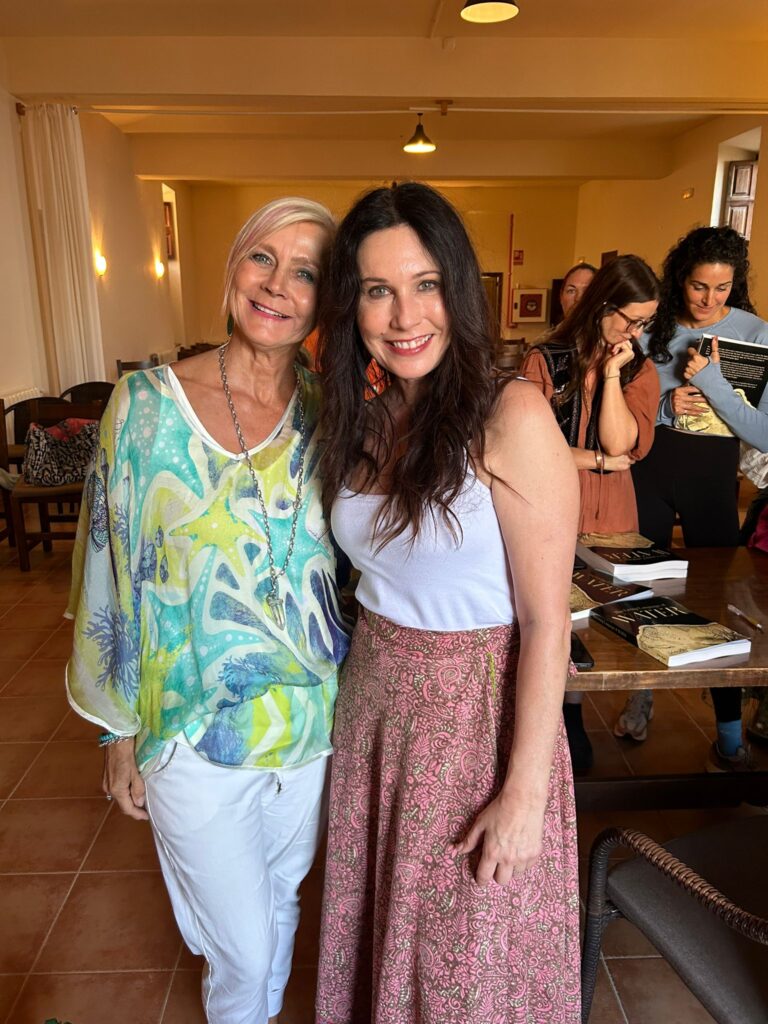
The Living Language of Water: Veda Austin’s Exploration and Its Relevance to Modern Society In the realm of wellness and holistic health, few topics are as mysterious and yet so universally fundamental as water. Veda Austin, a water researcher and advocate for the conscious, living nature of water, has captured the attention of many by uncovering a hidden dimension to this essential element. Her investigation into what she calls “The Living Language of Water” challenges conventional scientific perspectives and invites a deeper, more spiritual understanding of water’s role in human life and consciousness.  Veda Austin shared her story and her research at the Cura Monastery in Randa (Mallorca) earlier this week, for her final stop of her UK/European book tour. Promoting her new book ‘The Living Language of Water’, Austin shared insights into her groundbreaking work, raising profound questions about how we, as a society, relate to water in the modern world. Veda Austin’s Journey: A Personal Call to Explore Water Veda Austin’s fascination with water began with a personal healing story. Several years ago, after a car accident left her with significant injuries, she sought unconventional methods of healing. It was through this journey that she discovered what she believes to be water’s inherent intelligence and capacity to communicate. Rather than merely being a substance that supports life, Austin argues that water is a conscious entity capable of interacting with its environment, particularly with human consciousness. Her story, which she passionately shared during the talk, is rooted in her direct experiences with water. What started as a personal healing journey transformed into a lifelong passion to investigate water’s properties and its potential to reveal deeper truths about existence. Austin’s work lies at the intersection of scientific inquiry and spiritual exploration, offering a new perspective that views water as not only a physical resource but also a medium of communication, connection, and healing. The Science and Mystery Behind Water’s “Language” Austin’s central thesis is based on her research into water’s ability to respond to human intention and emotion. While the notion of water having “memory” or “intelligence” may seem far-fetched to some, she builds on the work of pioneers like Dr. Masaru Emoto, whose studies on how water crystals form in response to thoughts, words, and music first opened the door to this idea. Austin takes this concept a step further, using a technique she developed called “hydroglyphics”. In her research, she freezes water and photographs its crystals, observing intricate and seemingly purposeful patterns that she interprets as symbolic responses to stimuli such as words, images, and even human or animal presence. What makes Austin’s research compelling is the way she blends scientific curiosity with an openness to the mystical and unseen. She acknowledges that her work is not easily explainable within the confines of traditional scientific methods. However, through meticulous observation and repeated experimentation, she has cataloged hundreds of water crystal formations that appear to show recognisable shapes and symbols in response to specific inputs. For example, during her talk, she displayed images of ice crystals that had formed in the shape of hearts, faces, animals or human features after being exposed to related words, images or with human interaction such as a finger dipped in the water prior to being frozen. These shapes, Austin claims, are not random but are part of an intelligent communication system that water uses to reflect the intentions and emotions directed toward it. In her view, water is not passive but an active participant in the dialogue with human consciousness, offering insights that could transform how we approach health, well-being, and our relationship with the natural world. The Deeper Implications of Austin’s Research Austin’s work carries deep implications for how we view water in society today. In a world grappling with climate change, pollution, and water scarcity, her research suggests that water is more than just a resource to be managed. Instead, it is a living entity that deserves respect, care, and mindful interaction. One of the most significant points she makes is the importance of intention. If water truly responds to human consciousness, as her research indicates, then the way we treat water—in our bodies, in nature, and in society—could have far-reaching consequences. This idea echoes ancient indigenous beliefs that water is sacred and should be treated with reverence. Austin’s modern approach to this ancient wisdom reminds us that technological advancements and scientific knowledge have not diminished the spiritual importance of nature’s elements. Rather, they offer new ways of understanding and deepening our relationship with them. The Role of Water in Wellness and Healing From a wellness perspective, Austin’s research opens exciting possibilities. If water holds the ability to communicate and respond to human emotions, it may be a key element in holistic healing practices. Many wellness traditions, including Ayurveda, traditional Chinese medicine, and various forms of energy healing, already emphasise the importance of water in maintaining physical and emotional balance. Austin’s work could provide a scientific bridge to these ancient practices, offering a new understanding of how water supports healing not just by hydrating the body, but by energetically aligning with the individual’s emotional and mental state. During her talk, Austin shared anecdotes from individuals who have used her techniques to foster deeper connections with water in their wellness routines. Whether through meditation, intentional drinking of water, or immersing oneself in natural water sources, many report profound experiences of healing and clarity. The key, according to Austin, is to engage with water consciously—treating it as a partner in the process of well-being rather than a mere object to consume. Modern Society’s Disconnect from Water In today’s fast-paced, technology-driven world, water is often seen as a commodity—something we access through taps, bottles, or industrial processes. This disconnect from water’s deeper significance may contribute to how carelessly we use and pollute this vital resource. Austin’s message is a wake-up call, urging us to rethink our relationship with water at both personal and societal levels She points out that many of the world’s current water crises, from droughts to pollution, are

Scroll to Top