Home 1

Home 1, wellness column

It’s All a Bit Nuts! Cutting Through the Confusion on Nuts, Ageing and Bone Health

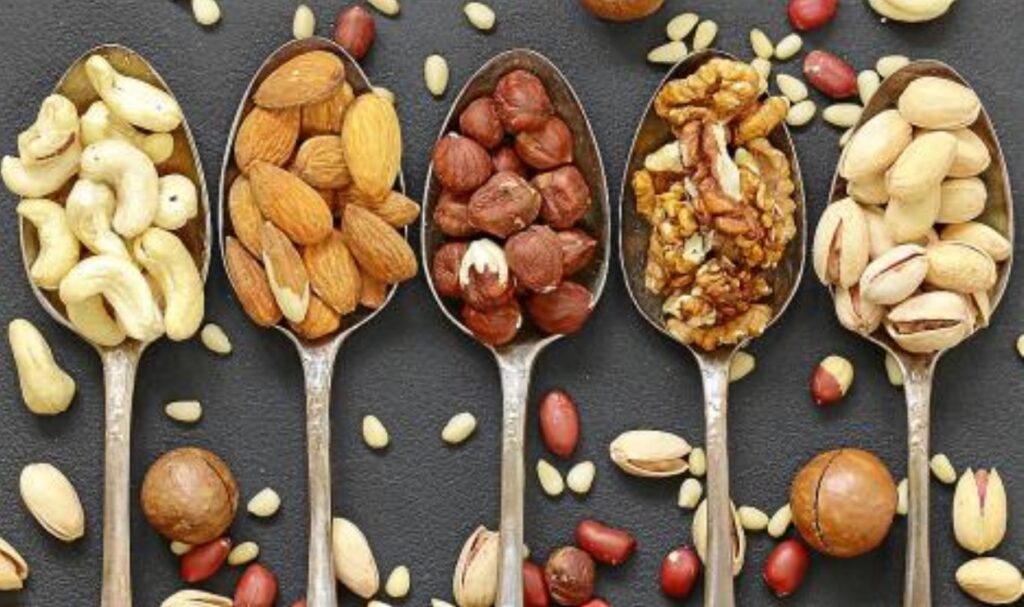
As we move into a new year, many have been asking me the same thing: “Amanda, can you help make healthy choices simpler?” Less confusion, contradiction, fewer food rules, and more clarity around what actually supports long-term health. So throughout the year I am going to choose different topics each month, to provide an easy and simple guide to follow. So my first topic of the year is Nuts. Are they good for us? Bad for us? A superfood one day and inflammatory the next? Should we snack on them, avoid them, soak them, roast them – or just give up entirely? The truth, as with most things in wellness, is that nuts can be powerful allies for healthy ageing, bone density and metabolic health, if we choose the right ones, eat sensible amounts, and understand how to pair them. Why Nuts Matter as We Age From our 40s onwards, nutrition becomes less about fueling workouts and more about preserving what we have — bone density, muscle mass, hormonal balance, mitochondrial function (our cells’ energy factories), and brain and heart health. Protein intake becomes increasingly important, particularly for women, while inflammation and oxidative stress begin to play a bigger role in ageing. Nuts contribute to all of these, offering a combination of plant protein, healthy fats, minerals and antioxidants – but not all nuts deliver the same benefits. The Nuts Best Enjoyed in Moderation (or Avoided)! PeanutsDespite their popularity, peanuts aren’t actually nuts – they’re legumes. They are prone to contamination with aflatoxins, toxic moulds that place stress on the liver and immune system. They’re also high in omega-6 fatty acids, which in excess can promote inflammation – not ideal for joint, bone or mitochondrial health. Add to that the highly processed peanut butters on supermarket shelves, and this is one nut best kept for very occasional. Brazil NutsNutritional powerhouses, yes — but also a classic case of “less is more.” Brazil nuts are extremely rich in selenium, vital for thyroid health and antioxidant defence. Just one or two per day is enough. More than that, consumed regularly, can lead to selenium overload, affecting nerves, hair and nails. CashewsCashews are another botanical imposter – technically seeds. I was sad to learn cashews are one of the worst “nuts” to consume – they are more acidic than most nuts and can be harder to digest, especially for those with sensitive stomachs or inflammatory conditions. Also high in fat, high in oxalates (which contribute to kidney stone formation), as well as being highly allergenic. Fine occasionally, but not good as a daily staple for healthy ageing. Pine NutsBeloved in pesto, but surprisingly high in omega-6 fats. Overconsumption may increase oxidative stress and negatively affect mitochondrial function. The good news? Pesto made with walnuts or macadamias is equally delicious — and far more supportive. PeanutsDespite their popularity, peanuts aren’t actually nuts – they’re legumes. They are prone to contamination with aflatoxins, toxic moulds that place stress on the liver and immune system. They’re also high in omega-6 fatty acids, which in excess can promote inflammation – not ideal for joint, bone or mitochondrial health. Add to that the highly processed peanut butters on supermarket shelves, and this is one nut best kept for very occasional. Brazil NutsNutritional powerhouses, yes — but also a classic case of “less is more.” Brazil nuts are extremely rich in selenium, vital for thyroid health and antioxidant defence. Just one or two per day is enough. More than that, consumed regularly, can lead to selenium overload, affecting nerves, hair and nails. CashewsCashews are another botanical imposter – technically seeds. I was sad to learn cashews are one of the worst “nuts” to consume – they are more acidic than most nuts and can be harder to digest, especially for those with sensitive stomachs or inflammatory conditions. Also high in fat, high in oxalates (which contribute to kidney stone formation), as well as being highly allergenic. Fine occasionally, but not good as a daily staple for healthy ageing. Pine NutsBeloved in pesto, but surprisingly high in omega-6 fats. Overconsumption may increase oxidative stress and negatively affect mitochondrial function. The good news? Pesto made with walnuts or macadamias is equally delicious — and far more supportive. The Nuts That Truly Support Healthy Ageing WalnutsRich in omega-3s, walnuts support brain health and help reduce inflammation. A small handful per day, raw or lightly toasted, is plenty. Pair with berries or leafy greens to enhance antioxidant absorption. Because walnuts oxidise easily, store them in the fridge. AlmondsAlmonds are stars when it comes to bone health. They provide calcium, magnesium, phosphorus and vitamin E — all essential for bone density, cardiovascular repair and brain protection. Almonds also help stabilise blood sugar and lower cholesterol. A small handful per day, raw or lightly dry-roasted, works well. Soaking overnight can improve digestibility and improve bio-availability of vitamins and minerals. Macadamia NutsThese are particularly supportive for metabolic health. High in monounsaturated fats, macadamias help lower oxidative stress and support metabolic health. Around 10 per day is ideal. Pair with green tea or dark chocolate for antioxidant synergy. PistachiosOften underestimated, pistachios are excellent for circulation, eye health and vascular flexibility. Rich in L-arginine (a precursor to nitric oxide), they support healthy blood flow, blood pressure and even sexual health. Aim for 30-40 per day, preferably unsalted and in their shells. HazelnutsHazelnuts support skin, nervous system and bone health thanks to their vitamin E and manganese content. They also contain polyphenols that help reduce oxidative damage. Enjoy a small handful a few times a week, ideally with berries or greens. PecansPacked with antioxidants and monounsaturated fats, pecans support heart health and provide zinc and magnesium – important for immunity and bone strength. Bone Health and Ageing Bone health is not just about calcium. It’s about the delicate balance between minerals, hormones, inflammation and mitochondrial energy production. Nuts can play a valuable role, but only when eaten in appropriate amounts and as part of a varied, whole-food diet.
Boudoir Photography by Adele Mallorca
Home 1, wellness column

The Art of Becoming: How Boudoir Photography Is Healing Women from the Inside Out – with Boudoir Photographer Adele Odette

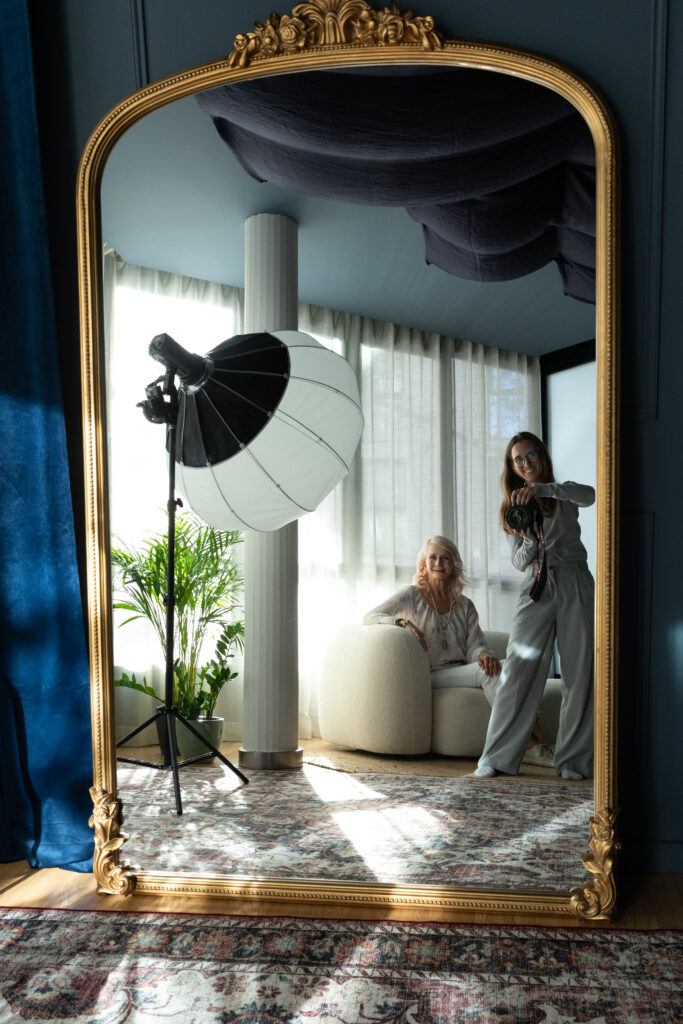
Last week, I stepped into a world where wellness meets artistry, femininity meets courage, and self-worth finds a new language. I met with French photographer Adele Odette, the woman behind By Adele Photography and By Adele Boudoir, to explore her deeply empowering work with women here in Mallorca. Her new studio, tucked just off Paseo Mallorca, feels less like a workplace and more like an elegant Parisian apartment. Saturated in velvety midnight blues and muted smoky greys, it exudes the quiet glamour of a refined French boudoir: intimate yet impeccably tasteful. It is the kind of space that seems to whisper, “You are safe. You are beautiful. You can bloom here.” Before we even begin our conversation, Adèle offers me a quote that summarises her philosophy: “Boudoir is not just about sensual and intimate portraits; it’s about embracing your true essence and reconnecting with your power and beauty. Every session is a journey of self-love and empowerment, helping you see yourself as the powerful, beautiful being you truly are.” And as the afternoon unfolds, I realise she means every word. A Process Rooted in Care, Comfort, and Connection The boudoir experience, Adele explains, begins long before a camera is lifted. Clients are invited to visit the studio in advance—to feel the space, meet her, and begin dissolving any nerves. She even accompanies clients lingerie shopping when needed, offering gentle guidance on pieces that flatter their shape and personality. Whether they shop together or follow her curated preparation guide, women arrive on the day knowing they are in capable, compassionate hands. The first two hours are dedicated entirely to easing in: hair and makeup with a professional artist, time to chat, sip coffee or cava, breathe, and center themselves. “It’s important for women to feel like the main character,” she says. “If you walk in and I say, ‘Right, get into your underwear,’ it doesn’t work. They need time to feel cared for, to land.” Only once the client feels settled and glowing do they begin with the first outfit—always something modest, building confidence gradually as the session progresses. With each pose, each breath, each click of the shutter, Adele guides them with reassuring gentleness: where to place hands, how to angle the chin, where to soften, where to lengthen. You can see it happen—the softening, the opening, the dawning realisation.“By the end, they don’t want to stop,” she smiles. “Something unleashes in them.” A Transformation That Goes Beyond the Lens The results are viewed the same day. After the shoot, while clients enjoy lunch—sometimes joined by a partner—Adele selects the strongest images, preparing a gallery that reveals their transformation. “I’m with them when they see the photos for the first time,” she explains. “Most women have never seen themselves like this. Not selfies, not photos from a partner—this is different. It’s important to reassure them that the beauty they’re seeing is real.” Clients choose from exquisite handmade albums, velvet-covered boxes, wall art, or accordion folios. Some later tell her they revisit their album whenever they’re having a difficult day.“They light candles, put on music, and look through their photos,” she says. “It reconnects them to themselves. It brings the magic back.” Boudoir Packages begin at €950, depending on the products chosen, and the experience typically runs from morning to mid-afternoon. There are also couple sessions—often a wedding gift or anniversary celebration—which she describes as “a beautiful date with a touch of spice.” But she prefers women to shoot alone. “When someone is watching—even a husband—the energy changes. Vulnerability needs privacy. But partners are welcome for the photo reveal.” Adele shoots 500–1,000 images per session, selecting the best for clients to review. She offers personal branding packages as well, ranging from €950 to €5,200 for full-day sessions with photo and video content—perfect for entrepreneurs, creatives, and professionals. Empowerment for Every Woman, Every Age, Every Body One of the most moving aspects of Adele’s work is her commitment to authenticity.“All women, all sizes, all ages,” she emphasises. “I want every woman to feel like it could be them. Not just a certain type of body.” Her clients are predominantly 40+, with many in their 50s, 60s, and even 70s.“Younger women often already feel sexy; older women want to reconnect to that. After children, after divorce, after menopause—they want to rediscover themselves.” She calls herself a “visual healer”—a title she wears with humility but also with truth.“Women come thinking they’re doing this for their husband. But afterwards they say, ‘The gift was for him, yes… but the experience was for me.’” In an age where young girls are drowning in AI-manipulated images of “perfect” bodies, Adele’s mission feels not just relevant but vital. “Real women, real bodies,” she says. “Stretch marks, scars, softness, age—it’s all beautiful. I want young girls to see this and understand that ageing is not something to fear.” We talk about the epidemic of low self-worth among teenagers, particularly girls.“They look at these manipulated AI images and want to be that false illusion,” she sighs. “It creates fear, pressure, mental health issues. This work is my way of offering another narrative—one of truth, softness, strength.” My Own Moment in Front of the Lens Before leaving, I stepped into her boudoir to experience a brief personal branding session myself. Though not lingerie-based, I still felt vulnerable, unsure of where to place my hands, how to sit naturally.   Adele was grounding, warm, and disarmingly intuitive. She guided me gently, turning what started as self-consciousness into something surprisingly enjoyable. By the end, I understood why her clients call the experience healing. A Safe Haven for Self-Rediscovery “You’ve created a sanctuary,” I told her before leaving. “That’s exactly what I want,” she said. “A sanctuary where women can reconnect with their inner and outer beauty. A place to blossom.” If you’re considering a transformative experience—or searching for the perfect gift with meaning this Christmas—Adele offers beautifully packaged gift vouchers. She also provides personal branding sessions designed to elevate entrepreneurs and professionals

Home 1, Mallorca 1

The Top 10 Restaurants in Mallorca to Try in 2025

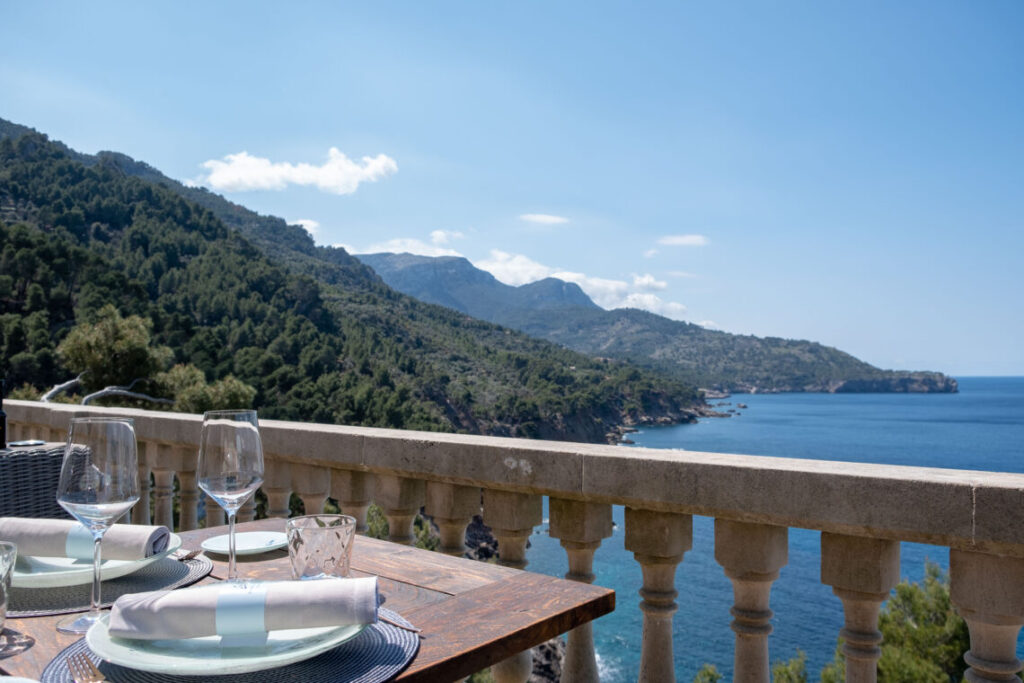
Mallorca, the largest of Spain’s Balearic Islands, is renowned for its stunning landscapes, crystal-clear waters, and rich history. But over the last 15 years, it’s also gained attention as a culinary hotspot. The island’s dining scene combines traditional Mediterranean flavours, with modern techniques, and locally grown produce, making it an exciting destination for food lovers. Whether you’re in the mood for rustic tapas, fresh seafood, or Michelin-starred experiences, Mallorca has something to satisfy every palate. Here are some of my favourite restaurants in Mallorca to try in 2025, offering a mix of local specialties, innovative dishes, and unforgettable dining experiences. 1. Santi Taura Location: Lloseta & Palma Santi Taura’s eponymous restaurant is a must-visit for those looking to experience the essence of Mallorcan cuisine. Santi, one of the island’s most respected chefs, brings traditional recipes to life with a modern twist. His tasting menu offers a deep dive into the island’s culinary heritage, showcasing locally sourced ingredients in creative ways. The seasonal dishes are always changing, but expect a combination of rustic flavors and refined presentation. Both his Lloseta location and the Palma restaurant continue to showcase his commitment to modernizing traditional Mallorcan dishes. Situated in the Hotel El Llorenc, in La Calatrava,  Dins Santi Tauri is a perfect mix of contemporary twists on the island’s classic flavours, with dishes crafted from seasonal and local ingredients. His approach is rooted in deep respect for Mallorca’s gastronomic traditions, while adding a refined, innovative edge. Must Try: The 11 course menu Origins is an wonderful experience to share with your partner or best friend, alongside their carefully chosen Harmony of wines. 2. Marc Fosh Location: Palma – Hotel Es Convent de la Missio A Michelin-starred restaurant in the heart of Palma, Marc Fosh is a temple of contemporary Mediterranean cooking. Known for his minimalist approach to cuisine, Marc Fosh uses fresh, seasonal ingredients to create visually stunning and flavourful dishes. His tasting menus are a true celebration of Mallorca’s rich food culture, with ingredients sourced from both the island and the Spanish mainland. Must Try: “Sea Bass with almond milk” and “Tiramisu with olive oil and lemon.” 3. Restaurant Sebastian Location: Deià Set against the breathtaking backdrop of the Tramuntana Mountains, Restaurant Sebastian offers a fine-dining experience that showcases the best of Mediterranean flavors with a special focus on local and seasonal ingredients. The restaurant’s sophisticated ambiance, combined with stunning views of the village of Deià, creates a memorable setting for a special evening. Chef Sebastian’s innovative yet refined dishes embrace both Mallorcan traditions and contemporary culinary techniques, making it a must-visit for any food lover on the island. Must Try: “Rack of lamb with a rosemary-honey crust, green bacon beans and potato puree ” and for dessert “Salty caramel iced parfait with chocolate mousse and autumn leafs” 4. Restaurant Mambo Location: Paseo Mallorca 3, Palma Restaurant Mambo offers an attractive, informal urban bistro-style ambiance, run by Brazilian-born chef Gabriel Conti. Located at Paseo Mallorca 3, the restaurant is renowned for its’ sophisticated tapas menu, combined with the “Sea & Mountain” menu, blending modern elegance with a relaxed, inviting atmosphere. Must Try: “Filet Mignon with Perigord sauce” and for dessert “Peach Savayon with vanilla ice cream” 5. Vandal Location: Palma, Santa Catalina A more avant-garde addition to Mallorca’s dining scene, Vandal is a trendy, innovative restaurant that pushes the boundaries of traditional Mallorcan cuisine. Situated in the heart of Palma, Vandal combines modern techniques with international flavours, creating a unique dining experience. The atmosphere is edgy, with a stylish décor that mirrors its creative menu. Must Try: “Pisco Bloody Mary Oyster, “Red Tuna tartare with seaweed paste and Japanese sauce” and for dessert “Childhood Feelings” and interesting dessert with vanilla, popcorn and a chocolate twist, and also part of a solidarity collaboration with the Shambala Foundation, supporting vulnerable young people in Mallorca who lack opportunities and education 6. Bens d’Avall Location: Sóller, on the road to Deia One of Mallorca’s most iconic dining spots, Bens d’Avall offers stunning views of the Tramuntana mountains and the Mediterranean. This restaurant is renowned for its combination of fine dining and breathtaking scenery. The tasting menu features Mediterranean and Mallorcan influences with an emphasis on seasonal produce and local seafood. Open: March to October. Must Try: “Tramuntana Lamb” and “Sustainably caught fish with gif and citrus bouillabase .” 7. Forn de Sant Joan Location: Palma, La Longa Situated in a beautiful 18th-century building in Palma’s historic center, Forn de Sant Joan is a favorite among both locals and tourists. The restaurant is known for its superb Mediterranean-inspired menu, which features an array of fresh seafood, local meats, and carefully crafted pastries. The outdoor terrace is perfect for a summer evening, and the welcoming atmosphere adds to the charm. Must Try: “Tuna with black olives and almond foam” and “Mallorcan almond cake.” 8. El Camino, Palma Location: Palma, Sant Nicolau Restaurant El Camino made waves when it opened a few years ago, and its popularity shows no signs of fading. From the team behind London’s iconic Barrafina, the restaurant is made up almost entirely of an impressively long bar, with chefs working behind in the open kitchen. It remains constantly busy, with a casual yet lively vibe. Order as you go while watching the artistic creation of the modern tapas food preparation beyond. Start with some sizzling Padrón peppers, s. Pair these with a glass of Mallorcan wine from their well-curated list for a truly satisfying experience Must Try: Crispy zucchini flowers filled with gooey goat’s cheese”, and the unbelievably delicious individually prepared tortilla 9. Market Kitchen Palma Location: Palma, Santa Catalina A hidden gem situated beside Santa Catalina market run by the super talented ex-London chef and “fellow of the Royal Academy of Culinary Arts”, Rob Kirby & his wife Amber. Serving up modern British cuisine with a Mediterranean infusion, Market Kitchen offer an exciting fabulously fresh and seasonal full of tasty treats. Really laid back atmosphere coupled with attentive, warm and friendly service.  The

Home 1

A Journey of Healing, One Chapter at a Time

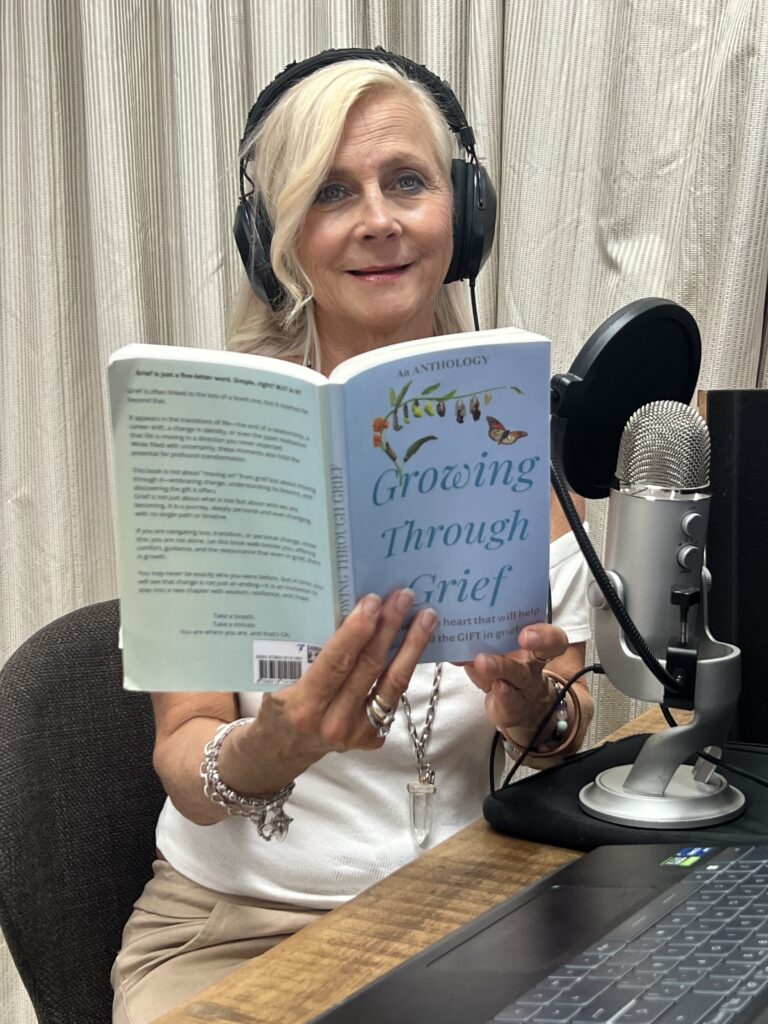
Healing Has a Voice: Recording Growing Through Grief at Phoenix Mallorca Studios Amanda J Butler joins co-author Vicki McLeod at Phoenix Mallorca Studios to record her chapter of Growing Through Grief—a powerful anthology of healing, resilience, and shared humanity. Available now on Amazon and Kindle. There’s something profoundly healing about giving grief a voice. This week, I had the pleasure of stepping into the studio with the wonderful Vicki McLeod, fellow co-author of Growing Through Grief, to record my chapter for the upcoming audiobook edition. We spent the morning at Phoenix Mallorca Studios, bringing our words to life—and what a moving experience it was. Growing Through Grief is a powerful anthology written by 14 women who have each faced loss in their own way—and grown through it. Grief shows up in countless ways—through the end of a relationship, a career shift, a change in identity, or the passing of a love done. It isn’t something we simply “get over,” but something we grow through—embracing change, uncovering lessons, and sometimes even finding the hidden gifts within. The book has already touched many hearts since its publication, and now, as we record each chapter for the upcoming audiobook edition, those stories are gaining new life through spoken word. As I read my chapter aloud, I felt again the rawness and renewal that writing it first brought. There’s something different about hearing your own voice say the words your heart once whispered—it’s both humbling and empowering. In that quiet, soundproof room, healing felt tangible, almost rhythmic—like the waves of this island itself. The audiobook is set to launch in late 2025 or early 2026, but you can already find the book on Amazon and Kindle here. Priced at cost in order to help and assist anyone in need Grief will always shape us—but when we share our stories, we remind each other that healing isn’t about forgetting, it’s about remembering with love. Recording Growing Through Grief reminded me that our voices are part of our wellness journey too—that speaking our truth is one of the most profound ways we can heal.

Home 1

Dining Under the Stars at Lucinda’s Organic Citrus Farm

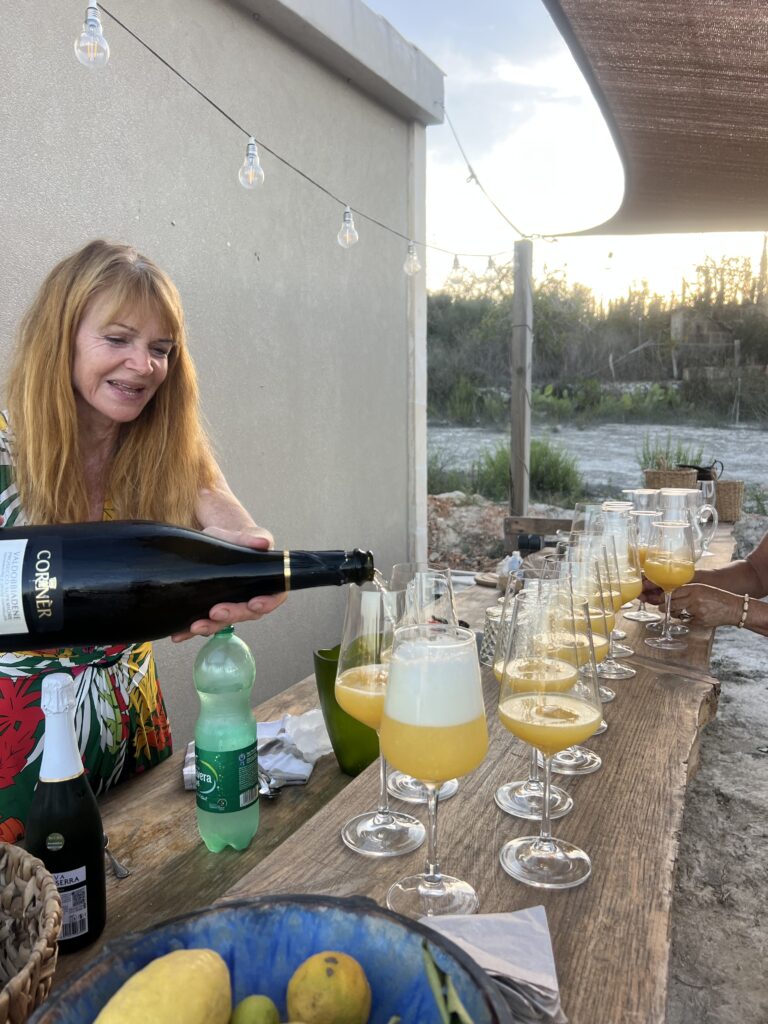
An evening celebrating the essence of Tuscany in the heart of Mallorca There are some evenings that stay with you — where every sense is gently awakened and time seems to soften. My recent visit to Lucinda’s organic citrus farm, in Lloret de Vista Alegre, was one of those evenings — a soulful gathering under the stars, surrounded by nature, creativity, and community. Lucinda, an organic citrus farmer dedicated to permaculture and creative living, has cultivated more than just a thriving orchard in the rolling countryside near Sineu. She has created a living, breathing expression of connection — to the land, to the seasons, and to the people she welcomes to her table. Her farm produces certified organic lemons, the base of her exquisite organic lemonade, and oranges, that she also supplies to Montimare Spritz, a refreshing citrus aperitivo inspired by the Mediterranean. The evening’s event was billed as “The Essence of Tuscany – Dinner Under the Stars,” and it truly lived up to its promise. Partnering with Chef Andrea Bettin, a Venetian chef whose roots run deep in Italian culinary tradition, Lucinda hosted an experience that wove together the authenticity of both Italy and Mallorca. From Rugby Fields to Fine Cuisine Chef Andrea’s story is as rich as his dishes. Born on the outskirts of Venice, his early love of food was nurtured in his grandfather’s vegetable garden and through his mother’s homemade bread. Before turning his passion into a career, Andrea played for the Italian national rugby team, even winning the national championship. After hanging up his boots, he dedicated himself fully to the kitchen, training across Italy and eventually working alongside Michelin-starred chef Floriano Pellegrino at Bros. Now based in Mallorca, Andrea brings with him that unmistakable Italian spirit — robust, soulful, and generous — perfectly complementing the setting of Lucinda’s farm. Walking the Land As guests arrived, we were greeted with a refreshing herbal tea infusion, served as the late afternoon light softened over the citrus groves. Lucinda led us on a gentle walk through her orchards, their trees heavy with fruit, the air rich with the scent of lemons and herbs. We continued up through her vegetable and herb gardens, learning about her dedication to organic farming and permaculture principles — how every plant, insect, and patch of soil has its role in the delicate balance of her ecosystem. At the top of the path, we reached a pergola overlooking the valley, where we were welcomed with Montimare Spritz, made from Lucinda’s own lemons, alongside bowls of citrus hummus and Andrea’s warm olive and tomato focaccia. From this spot, the view stretched across the orchards and towards the distant mountains, bathed in a golden evening light. Dining Beneath the Stars As dusk fell, long tables were beautifully set beside the pool, adorned with flowers and vegetables from the garden, flickering candles, and a soft soundtrack of Italian melodies. Dinner unfolded as a sumptuous Italian-style buffet, crafted from Lucinda’s organic produce and ingredients sourced from the Sineu market. Each dish felt like a celebration of the Mediterranean — vibrant, fresh, and full of love. The evening closed with a perfect finale: a Tiramisu infused with lemon mascarpone, followed by a smooth Limoncello digestive — a sweet, citrusy nod to Lucinda’s beloved lemons. A Taste of Connection As the stars shimmered above and conversation flowed among the 25 guests, it felt like more than just a dinner — it was a celebration of community, creativity, and conscious living. Lucinda’s vision and Andrea’s artistry came together seamlessly, reminding us how food, land, and connection intertwine. It was a night that captured the true spirit of slow living in Mallorca — where the simple act of sharing a meal becomes a moment of beauty and belonging. With gratitude to:🍋 Lucinda Mallorca — Organic Citrus Farmer & Host👨‍🍳 Chef Andrea Bettin — Private Chef, Mallorca🥂 Montimare Spritz — The taste of Mediterranean summer Written by Amanda J ButlerFounder of AJButlerProperty.com & WellnessTraveller.coExploring the intersection of home, wellness, and conscious living in Mallorca.

Home 1

This week I interviewed Jenni Glad, a solution oriented ADHD/ND coach for my Majorca Daily Bulletin article

Understanding Neurodiversity: Lessons for Parents and Families Neurodiversity is a word many of us had never heard until recent years — yet today, it’s part of everyday conversations in families around the world. For me, the topic recently became personal when my niece was diagnosed with ADHD and Autism at 14 years old. Like many, I had thought of certain behaviours as a lack of boundaries and often times bad manners. But meeting and speaking with Jenni Glad, an ADHA/ND coach and hypnotherapist who identifies as neurodivergent herself, opened my eyes to what life looks like through a different lens. Jenni describes herself as an “ADHD-er,” choosing not to say she has ADHD but rather that it’s part of who she is. Diagnosed later in life — a common story, especially among women apparently— Jenni recalls excelling at school until the demands grew, and then watching things unravel without the support she needed. Looking back, she sees how ADHD shaped her adventurous spirit, impulsive choices, and career path that eventually led her to coaching and hypnotherapy. But it hasn’t all been easy. Neurodivergence often brings challenges in relationships, finances, and self-esteem. That’s why, she explains, coaching can be life-changing: it helps people build routines, develop tools for focus, and learn how they work best in a world not always designed for different brain wiring. What does neurodiversity really mean? Neurodiversity is about the natural variations in the human brain. Jenni explains that neurodiverse refers to a group of people, while neurodivergent describes an individual. For those with ADHD, differences often appear in executive functioning — skills like organization, planning, and time management. What seems simple for one person — say, booking an appointment — can feel almost impossible on some days, while on other days it’s no problem. That paradox is a hallmark of ADHD, and it can be frustrating for both the person and their family. Add to that the emotional intensity many neurodivergent people experience — mood swings, anxiety, depression — and it becomes clearer why support is so vital. Why the sharp rise in diagnoses? Modern life plays a big role. Children are exposed to screens and devices earlier than ever, with constant notifications competing for attention. “Screens overstimulate the brain, contribute to anxiety, and make focus harder,” Jenni explains. And while awareness and better diagnostic tools account for part of the rise, the demands of today’s world also mean more children struggle to cope. The good news is that recognition is growing, and with it comes a chance for more holistic approaches that look beyond medication — incorporating lifestyle, environment, and practical strategies. Adolescence and ADHD Adolescence is already a stormy sea, but for neurodivergent teens it can feel like a tsunami. Hormones, especially in girls, most often intensify symptoms around puberty and continue to play a role throughout life. According to research these conditions can often present differently in boys and girls – with boys more likely to receive a diagnosis during childhood where hyperactivity is more common, while girls may be diagnosed later or not at all, since autistic girls and women may mask their signs of autism. This delay in diagnosis can lead to a lack of early support and intervention. Jenni continued “Many ADHD-ers struggle with low self-esteem and confidence, because from a young age they’ve often received feedback that they’re doing things wrong, not meeting expectations, or not fitting in. For example, school subjects like math or complex verbal tasks can feel especially difficult, and when that struggle is misunderstood, kids may be labeled as “not smart” — which isn’t true at all, but that repeated feedback can deeply affect how they see themselves. Anxiety, depression, and emotional ups and downs are also common. Doubting themselves and not feeling “good enough” can become a repeating cycle. Socially, friendships can also be hard to maintain. Neurodivergent kids may face challenges with social skills, communication styles, or simply finding peers who understand them. This can make building supportive and reliable friendships more difficult. So while every young person’s experience is unique, the themes I most often hear about include self-esteem struggles, emotional regulation, academic challenges, and difficulties with friendships and social belonging.” Parents may notice their teenagers retreating to their rooms, headphones on, lost in games or scrolling endlessly. For neurodivergent children, hyperfocus means they can become completely absorbed, often unaware of time passing. Without careful guidance, blue screen overstimulation can tip into stress, anxiety and even depression. Many parents are left feeling lost. They don’t know how to help their children, or even fully understand what’s going on. The good news is that awareness is growing, but we still need more education and more emphasis on lifestyle, environment, and practical strategies alongside any medical support. Jenni stresses that connection is key. Children need to feel seen, heard, and loved — not just corrected. “Guidance works best when built on a foundation of connection,” she says. Routines, timers, and accountability help, but what matters most is that kids feel understood and included in healthy social interactions. What can parents and families do at home? Jenni shares a wealth of practical advice for families: These techniques are valuable for all children, but for neurodivergent kids, they can make the difference between feeling misunderstood and feeling empowered. Coaching and hypnotherapy: A way forward For many, coaching provides the structure and accountability that ADHD brains crave, while hypnotherapy works on deeper beliefs and emotional blocks. Together, they help both children and adults release the story that “something is wrong with me” and replace it with a more empowering narrative. A message of hope Perhaps Jenni’s most powerful message is one of hope — for both parents and young people. “Remind your child every day that they are unique, wonderful, and more than enough as they are. They matter. They’re important.” Neurodiversity runs in families, and sometimes a child’s diagnosis leads parents to recognize their own ADHD for the first time. That, Jenni believes, can be

Home 1, wellness column

The Wellness Column: The Right Cheese Choices for Healthy Aging

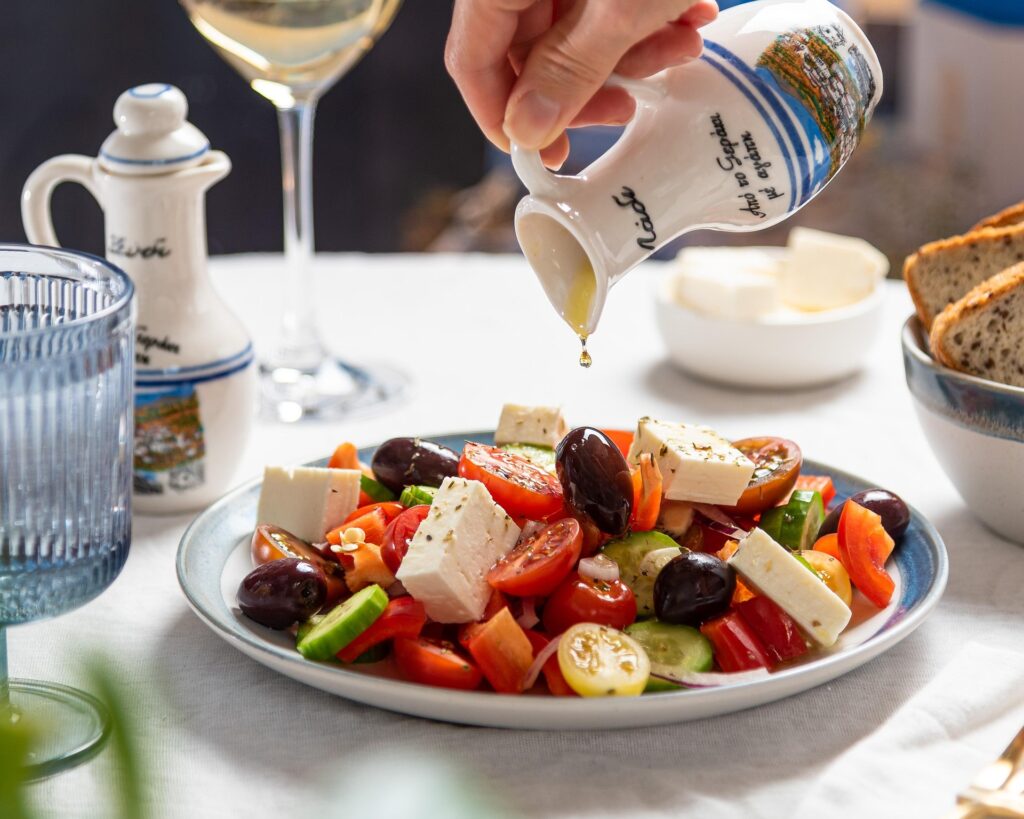
Cheese is one of life’s simple pleasures. Creamy, crumbly, sharp, or mellow, it brings comfort and depth to meals. But as we age, our bodies change—digestive capacity slows, immune systems weaken, and the balance between what delights our tastebuds and what nourishes our health becomes increasingly important. A recent YouTube video caught my eyer, by health educator Barbara O’Neill titled “Over 60 – 4 Cheeses You Should NEVER Touch and 4 You MUST Eat Daily!” I personally am interested in all aspects of wellness, but do not profess to being a trained dietitian.  I love collecting tips from all the health gurus we have available at our fingertips, and felt it worth sharing since most of us love a bit of cheese! Of key interest, highlighted by O’Neill, is how certain cheeses can pose real risks for older adults (as our stomachs become more sensitive with age), while others may help safeguard muscles, bones, and gut health. Her insights shed light on how we can still enjoy cheese, but with greater awareness of which varieties support wellbeing and which can quietly undermine it. The Four Cheeses to Avoid 1. Soft-rind – such as Brie and Camembert That familiar white rind, created by Penicillium candidum, gives these cheeses their distinctive flavour and texture. But it also creates the perfect environment for the dangerous bacterium Listeria monocytogenes. Unlike many microbes, listeria can survive—and even multiply—in the refrigerator. It can cause severe illness such as meningitis or septicemia, and because symptoms may take weeks to appear, tracing the source can be difficult. While pasteurisation kills bacteria during production, recontamination can easily occur during aging or handling. For younger, healthy adults the risk is small. For seniors, however, where immunity may be compromised, the consequences can be very serious. 2. Queso Fresco This fresh Latin American cheese is often made with raw, unpasteurised milk, leaving it vulnerable to deadly bacteria like E. coli. Even pasteurised versions can quickly become unsafe if stored incorrectly, as their high moisture content provides an ideal breeding ground for harmful microbes. 3. Feta Feta’s crumbly, salty tang makes it a popular topping for salads and mezze plates. But that delicious creaminess comes with a sodium load that can stress the heart and arteries. Sprinkled liberally, as in a normal restaurant serving, it can be a time bomb—particularly for those with hypertension or age-related decline in kidney function. On a positive note, if you choose a traditional block-style feta, and use it sparingly, you can gain the natural pro-biotic benefits, without suffering the sodium assault. 4. Ultra-processed Cheeses – pre-sliced or shredded, aerosol, cheese spreads While convenient, these cheeses contain lots of artificial flavours and additives, are high in sodium, and non-dairy fats, and can exacerbate blood pressure issues and contribute to inflammation. Cheddar-style shreds are loaded with anti-caking agents, aerosols are full of hydrogenated oils and stabilisers, artificial ingredients and preservatives, and spreads are full of fillers, modified starches and whey powders. The Four Cheeses to Choose 1. Swiss Cheese – The Probiotic Powerhouse Mild and nutty, Swiss cheese’s distinctive holes are formed by a natural fermentation process. Low in sodium, but rich in vitamins A and B12, high in minerals including zinc and phosphorus, as well as protein and probiotics, it supports bone health and gut immunity without artificial additives. Probiotics act as a “second immune system,” fortifying the body’s natural defenses—especially crucial for older adults. It also contains conjugated linoleic acid (CLA), a fatty acid that has been linked to several health benefits offering immune system support and anti-cancer properties. Pair with fresh fruits and vegetables to balance out the calorie and fat content. 2. Cottage Cheese – The Muscle Saver One cup delivers 28 grams of protein, keeping a steady stream of amino acids flowing for hours. Its high leucine content triggers muscle growth, helping to preserve lean mass—a key factor in maintaining independence with age. Cottage cheese is naturally low in lactose and, when chosen in its low-sodium version, supports bone health without overburdening the kidneys. Pairing it with vitamin C–rich berries can boost collagen production, while probiotics enhance gut health. A sprinkle of flaxseeds adds omega-3s for extra anti-inflammatory protection. 3. Parmesan – The Bone Fortifier Born from the lush landscapes of Italy, Parmigiano-Reggiano stands as a testament to simplicity and flavour. Made from just milk, salt, and rennet, this aged cheese carries an intense flavour profile that’s naturally low in lactose. Few foods rival Parmesan’s bone-strengthening properties. It is packed with highly absorbable calcium, alongside magnesium, zinc, and Vitamin K2. Together, these nutrients work synergistically: Freshly grated Parmesan is best, avoiding the additives and caking agents often found in pre-grated packets. 4. Goat Cheese – The Gut Guardian With smaller fat molecules and 30% less lactose than cow’s cheese, goat cheese is gentler on digestion—an important advantage when 40% of older adults are lactose intolerant. Its probiotics increase beneficial gut bacteria and its anti-inflammatory benefits support overall health. Goat cheese also provides medium-chain fatty acids, offering quick energy without spiking blood sugar, and conjugated linoleic acid, which helps preserve muscle mass. Its high copper content supports brain health by reducing oxidative stress. For maximum benefits, choose aged, unpasteurised versions and pair with prebiotic foods such as whole grains to enhance calcium absorption. A Balanced Approach The message is not that cheese should be abandoned in later years, but rather that it should be chosen wisely. By focusing on varieties that support muscle, bone, gut, and immune health, and steering clear of those that harbour hidden risks, cheese can remain a source of nourishment and joy well into later life. As Barbara O’Neill reminds us, it’s about aligning indulgence with wisdom. With a thoughtful approach, Cheese doesn’t have to fade from your plate as you get older. Clearly, as with all foods, cheese should be eaten in moderation, and as part of a balanced diet. The Takeaway: Your body will thank you—and your palate doesn’t have to miss out. PM Amanda if you have

Home 1, wellness column

Living Language of Water with Veda Austin

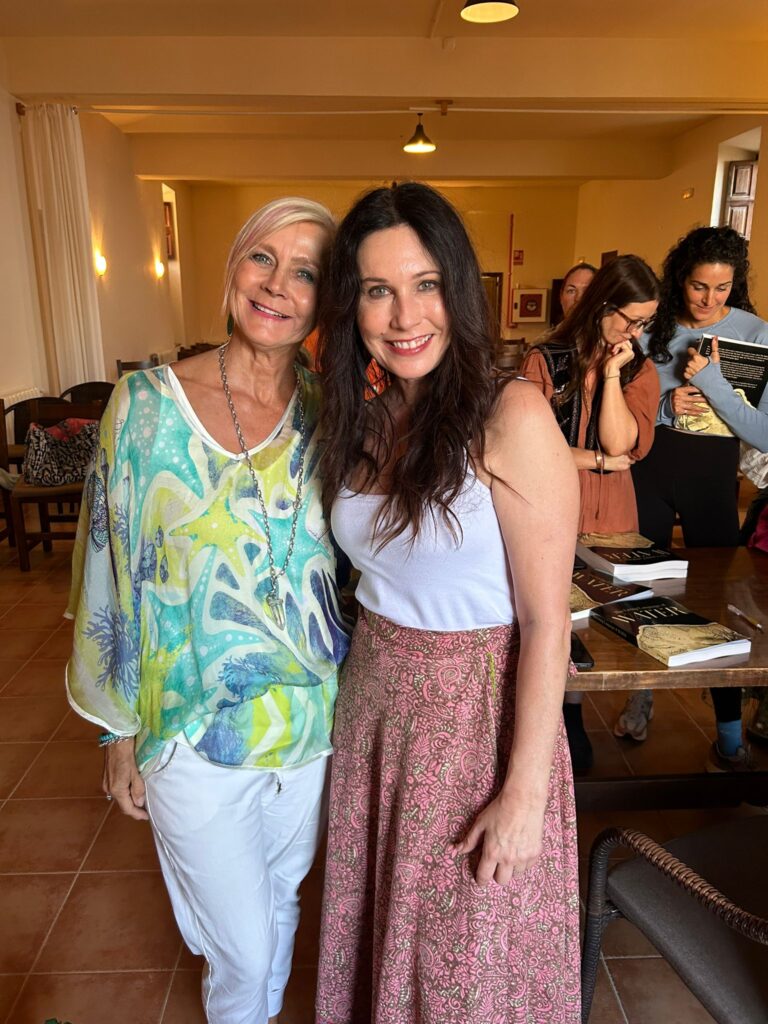
The Living Language of Water: Veda Austin’s Exploration and Its Relevance to Modern Society In the realm of wellness and holistic health, few topics are as mysterious and yet so universally fundamental as water. Veda Austin, a water researcher and advocate for the conscious, living nature of water, has captured the attention of many by uncovering a hidden dimension to this essential element. Her investigation into what she calls “The Living Language of Water” challenges conventional scientific perspectives and invites a deeper, more spiritual understanding of water’s role in human life and consciousness.  Veda Austin shared her story and her research at the Cura Monastery in Randa (Mallorca) earlier this week, for her final stop of her UK/European book tour. Promoting her new book ‘The Living Language of Water’, Austin shared insights into her groundbreaking work, raising profound questions about how we, as a society, relate to water in the modern world. Veda Austin’s Journey: A Personal Call to Explore Water Veda Austin’s fascination with water began with a personal healing story. Several years ago, after a car accident left her with significant injuries, she sought unconventional methods of healing. It was through this journey that she discovered what she believes to be water’s inherent intelligence and capacity to communicate. Rather than merely being a substance that supports life, Austin argues that water is a conscious entity capable of interacting with its environment, particularly with human consciousness. Her story, which she passionately shared during the talk, is rooted in her direct experiences with water. What started as a personal healing journey transformed into a lifelong passion to investigate water’s properties and its potential to reveal deeper truths about existence. Austin’s work lies at the intersection of scientific inquiry and spiritual exploration, offering a new perspective that views water as not only a physical resource but also a medium of communication, connection, and healing. The Science and Mystery Behind Water’s “Language” Austin’s central thesis is based on her research into water’s ability to respond to human intention and emotion. While the notion of water having “memory” or “intelligence” may seem far-fetched to some, she builds on the work of pioneers like Dr. Masaru Emoto, whose studies on how water crystals form in response to thoughts, words, and music first opened the door to this idea. Austin takes this concept a step further, using a technique she developed called “hydroglyphics”. In her research, she freezes water and photographs its crystals, observing intricate and seemingly purposeful patterns that she interprets as symbolic responses to stimuli such as words, images, and even human or animal presence. What makes Austin’s research compelling is the way she blends scientific curiosity with an openness to the mystical and unseen. She acknowledges that her work is not easily explainable within the confines of traditional scientific methods. However, through meticulous observation and repeated experimentation, she has cataloged hundreds of water crystal formations that appear to show recognisable shapes and symbols in response to specific inputs. For example, during her talk, she displayed images of ice crystals that had formed in the shape of hearts, faces, animals or human features after being exposed to related words, images or with human interaction such as a finger dipped in the water prior to being frozen. These shapes, Austin claims, are not random but are part of an intelligent communication system that water uses to reflect the intentions and emotions directed toward it. In her view, water is not passive but an active participant in the dialogue with human consciousness, offering insights that could transform how we approach health, well-being, and our relationship with the natural world. The Deeper Implications of Austin’s Research Austin’s work carries deep implications for how we view water in society today. In a world grappling with climate change, pollution, and water scarcity, her research suggests that water is more than just a resource to be managed. Instead, it is a living entity that deserves respect, care, and mindful interaction. One of the most significant points she makes is the importance of intention. If water truly responds to human consciousness, as her research indicates, then the way we treat water—in our bodies, in nature, and in society—could have far-reaching consequences. This idea echoes ancient indigenous beliefs that water is sacred and should be treated with reverence. Austin’s modern approach to this ancient wisdom reminds us that technological advancements and scientific knowledge have not diminished the spiritual importance of nature’s elements. Rather, they offer new ways of understanding and deepening our relationship with them. The Role of Water in Wellness and Healing From a wellness perspective, Austin’s research opens exciting possibilities. If water holds the ability to communicate and respond to human emotions, it may be a key element in holistic healing practices. Many wellness traditions, including Ayurveda, traditional Chinese medicine, and various forms of energy healing, already emphasise the importance of water in maintaining physical and emotional balance. Austin’s work could provide a scientific bridge to these ancient practices, offering a new understanding of how water supports healing not just by hydrating the body, but by energetically aligning with the individual’s emotional and mental state. During her talk, Austin shared anecdotes from individuals who have used her techniques to foster deeper connections with water in their wellness routines. Whether through meditation, intentional drinking of water, or immersing oneself in natural water sources, many report profound experiences of healing and clarity. The key, according to Austin, is to engage with water consciously—treating it as a partner in the process of well-being rather than a mere object to consume. Modern Society’s Disconnect from Water In today’s fast-paced, technology-driven world, water is often seen as a commodity—something we access through taps, bottles, or industrial processes. This disconnect from water’s deeper significance may contribute to how carelessly we use and pollute this vital resource. Austin’s message is a wake-up call, urging us to rethink our relationship with water at both personal and societal levels She points out that many of the world’s current water crises, from droughts to pollution, are

Home 1, Mallorca 1

Mallorca top 10 Beaches

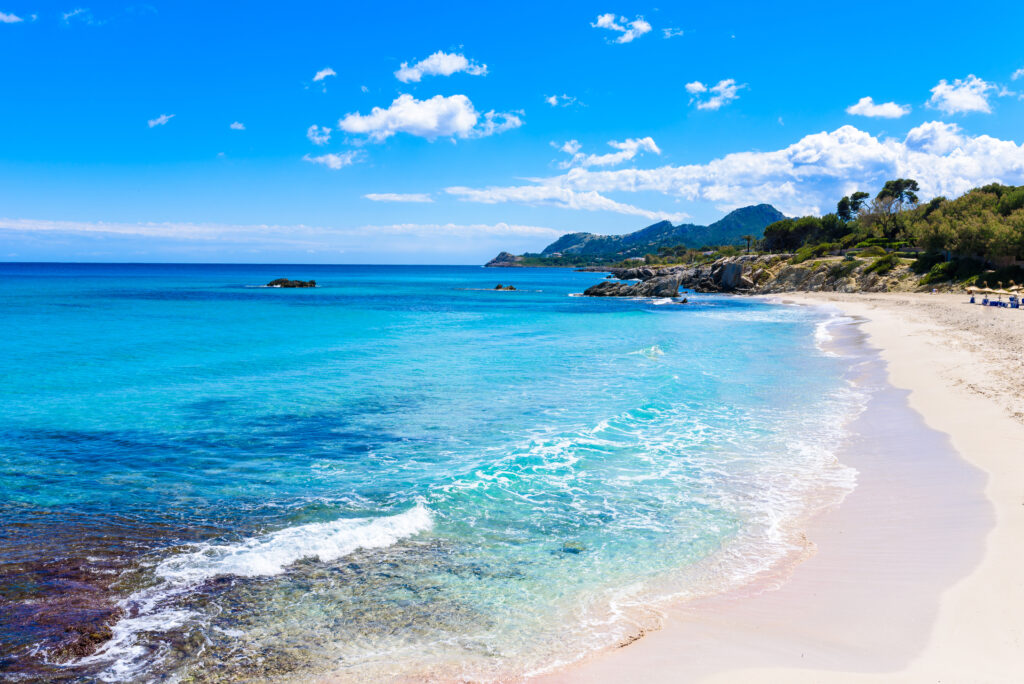
Mallorca, the largest of the Balearic Islands, is renowned for its breathtaking beaches. From hidden coves and dramatic cliffs to wide sandy stretches, the island offers a beach for every kind of traveller. Whether you’re a sunbather, an adventurer, or someone looking to escape the crowds, Mallorca has something special to offer. Here’s our list of the top 10 beaches in Mallorca that you won’t want to miss. 1. Es Trenc Location: South of the island, near Campos Size: 2 km long x 35 m wide Why it’s great: Es Trenc is often considered the “Caribbean of Mallorca” thanks to its long stretch of powdery white sand and crystal-clear waters year round. This beach has a natural, unspoiled charm and is part of a protected nature reserve. It’s perfect for those who want to enjoy a tranquil day by the sea, though it can get a little crowded in peak summer months. Highlights: Facilities: 2. Cala Agulla Location: Northeast coast, near Cala Ratjada Size: 500 m long x 50 m wide Why it’s great: Cala Agulla is a beautiful bay surrounded by pine forests and high cliffs, offering stunning natural scenery. The beach itself is wide, with soft sand and clear waters, perfect for both families and water sports enthusiasts. There are plenty of facilities nearby, including restaurants and beach bars, making it easy to spend a whole day here. Highlights: Facilities: 3. Cala Mondragó Location: Southeast coast, within Mondragó Natural Park Size: 75 m long x 60 m wide Why it’s great: Cala Mondragó is an idyllic spot within a protected natural park. The beach features calm, clear waters perfect for swimming and is surrounded by lush green hills and scenic walking paths. It’s less commercialized than some of the other beaches, providing a peaceful escape. Highlights: Facilities: 4. Playa de Muro Location: North of the island, near Alcúdia Size: 6 km long x 40 m wide (variable) Why it’s great: Playa de Muro is one of Mallorca’s longest beaches, stretching for over 6 kilometers, and broken down into four different areas. The fine sand and shallow, warm waters make it a fantastic option for families. It’s also a great spot for watersports, including sailing, windsurfing, and jet skiing. The beach has a lively atmosphere but is never overwhelmingly crowded. Highlights: Facilities: 5. Cala Figuera Location: Southern coast, near Santanyí Size: 45 m long x 40 m wide (variable) Why it’s great: Cala Figuera is a small, picturesque beach with clear waters nestled in a charming cove, mad of sand, pebbles and rocks. The beach is surrounded by steep cliffs and lush greenery, making it an excellent spot for those seeking seclusion. There are also plenty of restaurants around the area where you can enjoy fresh seafood while taking in the view. Highlights: Facilities: 6. Cala Llombards Location: South coast, near Santanyí Size: 55 m long x 150 m wideWhy it’s great: Cala Llombards is a small but stunning beach, known for its turquoise waters and surrounding cliffs. It’s perfect for those looking for a peaceful day by the sea, close to the sleepy, traditional village of Es Llombards set away from the bustling tourist hotspots. The beach is well protected by rocky outcrops, creating a sheltered bay. Highlights: Facilities: 7. Cala Formentor Location: North coast, near Pollensa (Pollença) and Puerto Pollensa Size: 1 km long x 12 m wide (variable)Why it’s great: Cala Formentor is a beauitful beach framed by high cliffs and pine trees. The combination of golden sand and clear, calm waters makes it a top destination for both relaxation and water activities. The beach is fairly well known, but it’s far enough away from Puerto Pollensa to not get too busy, and only accessible by bus in the peak summer season. Highlights: Facilities: 8. Playa de S’Amarador Location: South coast, near Cala Mondragó Size: 145 m long x 50 m wide Why it’s great: This hidden gem is part of the Mondragó Natural Park and won the “best beach in Europe” award out of 3000 European beaches! Playa de S’Amarador offers clear, turquoise, calm waters and is surrounded by lush vegetation and rocky hills. The beach is typically quieter than others, making it a great escape from the crowds. You can follow a pathway to the equally beautiful neighbouring beach at Cala Mondragó, which is 300 to 400 metres away Highlights: Facilities: 9. Cala Varques Location: East coast, near Portocolom Size: 90 m long x 60 m wide Why it’s great: Cala Varques is a stunning, secluded cove surrounded by rocky cliffs and pine forests. Its turquoise waters and beautiful surroundings make it a perfect spot for relaxation, and it’s relatively untouched by mass tourism. The beach can be a bit tricky to access, but that’s part of its charm. Highlights: Facilities: 10. Cala d’Or Location: Southeast coast, near the town of Cala d’Or Size: 30 m long x 40 m wide Why it’s great: Cala d’Or translates into “The Golden Bay” in English, and offers a beautiful beach located close to the resort town of the same name. It features soft sand and calm, shallow waters, making it perfect for families and children. The nearby marina and town offer plenty of restaurants, shops, and entertainment, adding to its appeal for those who enjoy a bit of vibrancy with their beach day. Highlights: Facilities: Mallorca’s beaches are as diverse as they are beautiful. Whether you’re seeking a remote cove to escape the crowds or a lively beach with plenty of activities, the island offers something for everyone. From the pristine shores of Es Trenc to the serene beauty of Cala Mondragó, these are amongst the top 10 beaches representing some of the best of what Mallorca has to offer. So pack your bags, your sunscreen, grab your beach towel, and get ready to explore the stunning coastlines of this Balearic paradise! A little insider tip – as a local, we do tend to keep a few of our favourite places and spaces to ourselves,

Scroll to Top