Author name: amanda.btlr

Home 1, wellness column

The Wellness Column: The Right Cheese Choices for Healthy Aging

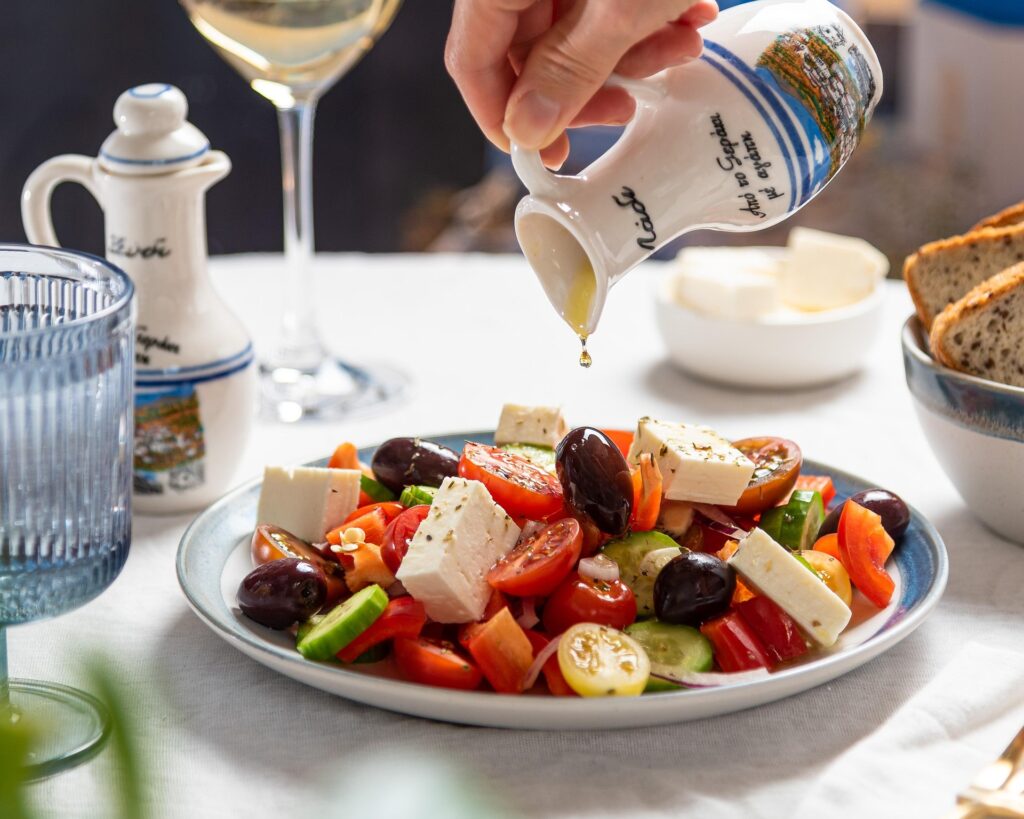
Cheese is one of life’s simple pleasures. Creamy, crumbly, sharp, or mellow, it brings comfort and depth to meals. But as we age, our bodies change—digestive capacity slows, immune systems weaken, and the balance between what delights our tastebuds and what nourishes our health becomes increasingly important. A recent YouTube video caught my eyer, by health educator Barbara O’Neill titled “Over 60 – 4 Cheeses You Should NEVER Touch and 4 You MUST Eat Daily!” I personally am interested in all aspects of wellness, but do not profess to being a trained dietitian.  I love collecting tips from all the health gurus we have available at our fingertips, and felt it worth sharing since most of us love a bit of cheese! Of key interest, highlighted by O’Neill, is how certain cheeses can pose real risks for older adults (as our stomachs become more sensitive with age), while others may help safeguard muscles, bones, and gut health. Her insights shed light on how we can still enjoy cheese, but with greater awareness of which varieties support wellbeing and which can quietly undermine it. The Four Cheeses to Avoid 1. Soft-rind – such as Brie and Camembert That familiar white rind, created by Penicillium candidum, gives these cheeses their distinctive flavour and texture. But it also creates the perfect environment for the dangerous bacterium Listeria monocytogenes. Unlike many microbes, listeria can survive—and even multiply—in the refrigerator. It can cause severe illness such as meningitis or septicemia, and because symptoms may take weeks to appear, tracing the source can be difficult. While pasteurisation kills bacteria during production, recontamination can easily occur during aging or handling. For younger, healthy adults the risk is small. For seniors, however, where immunity may be compromised, the consequences can be very serious. 2. Queso Fresco This fresh Latin American cheese is often made with raw, unpasteurised milk, leaving it vulnerable to deadly bacteria like E. coli. Even pasteurised versions can quickly become unsafe if stored incorrectly, as their high moisture content provides an ideal breeding ground for harmful microbes. 3. Feta Feta’s crumbly, salty tang makes it a popular topping for salads and mezze plates. But that delicious creaminess comes with a sodium load that can stress the heart and arteries. Sprinkled liberally, as in a normal restaurant serving, it can be a time bomb—particularly for those with hypertension or age-related decline in kidney function. On a positive note, if you choose a traditional block-style feta, and use it sparingly, you can gain the natural pro-biotic benefits, without suffering the sodium assault. 4. Ultra-processed Cheeses – pre-sliced or shredded, aerosol, cheese spreads While convenient, these cheeses contain lots of artificial flavours and additives, are high in sodium, and non-dairy fats, and can exacerbate blood pressure issues and contribute to inflammation. Cheddar-style shreds are loaded with anti-caking agents, aerosols are full of hydrogenated oils and stabilisers, artificial ingredients and preservatives, and spreads are full of fillers, modified starches and whey powders. The Four Cheeses to Choose 1. Swiss Cheese – The Probiotic Powerhouse Mild and nutty, Swiss cheese’s distinctive holes are formed by a natural fermentation process. Low in sodium, but rich in vitamins A and B12, high in minerals including zinc and phosphorus, as well as protein and probiotics, it supports bone health and gut immunity without artificial additives. Probiotics act as a “second immune system,” fortifying the body’s natural defenses—especially crucial for older adults. It also contains conjugated linoleic acid (CLA), a fatty acid that has been linked to several health benefits offering immune system support and anti-cancer properties. Pair with fresh fruits and vegetables to balance out the calorie and fat content. 2. Cottage Cheese – The Muscle Saver One cup delivers 28 grams of protein, keeping a steady stream of amino acids flowing for hours. Its high leucine content triggers muscle growth, helping to preserve lean mass—a key factor in maintaining independence with age. Cottage cheese is naturally low in lactose and, when chosen in its low-sodium version, supports bone health without overburdening the kidneys. Pairing it with vitamin C–rich berries can boost collagen production, while probiotics enhance gut health. A sprinkle of flaxseeds adds omega-3s for extra anti-inflammatory protection. 3. Parmesan – The Bone Fortifier Born from the lush landscapes of Italy, Parmigiano-Reggiano stands as a testament to simplicity and flavour. Made from just milk, salt, and rennet, this aged cheese carries an intense flavour profile that’s naturally low in lactose. Few foods rival Parmesan’s bone-strengthening properties. It is packed with highly absorbable calcium, alongside magnesium, zinc, and Vitamin K2. Together, these nutrients work synergistically: Freshly grated Parmesan is best, avoiding the additives and caking agents often found in pre-grated packets. 4. Goat Cheese – The Gut Guardian With smaller fat molecules and 30% less lactose than cow’s cheese, goat cheese is gentler on digestion—an important advantage when 40% of older adults are lactose intolerant. Its probiotics increase beneficial gut bacteria and its anti-inflammatory benefits support overall health. Goat cheese also provides medium-chain fatty acids, offering quick energy without spiking blood sugar, and conjugated linoleic acid, which helps preserve muscle mass. Its high copper content supports brain health by reducing oxidative stress. For maximum benefits, choose aged, unpasteurised versions and pair with prebiotic foods such as whole grains to enhance calcium absorption. A Balanced Approach The message is not that cheese should be abandoned in later years, but rather that it should be chosen wisely. By focusing on varieties that support muscle, bone, gut, and immune health, and steering clear of those that harbour hidden risks, cheese can remain a source of nourishment and joy well into later life. As Barbara O’Neill reminds us, it’s about aligning indulgence with wisdom. With a thoughtful approach, Cheese doesn’t have to fade from your plate as you get older. Clearly, as with all foods, cheese should be eaten in moderation, and as part of a balanced diet. The Takeaway: Your body will thank you—and your palate doesn’t have to miss out. PM Amanda if you have
Home 1, wellness column

Living Language of Water with Veda Austin

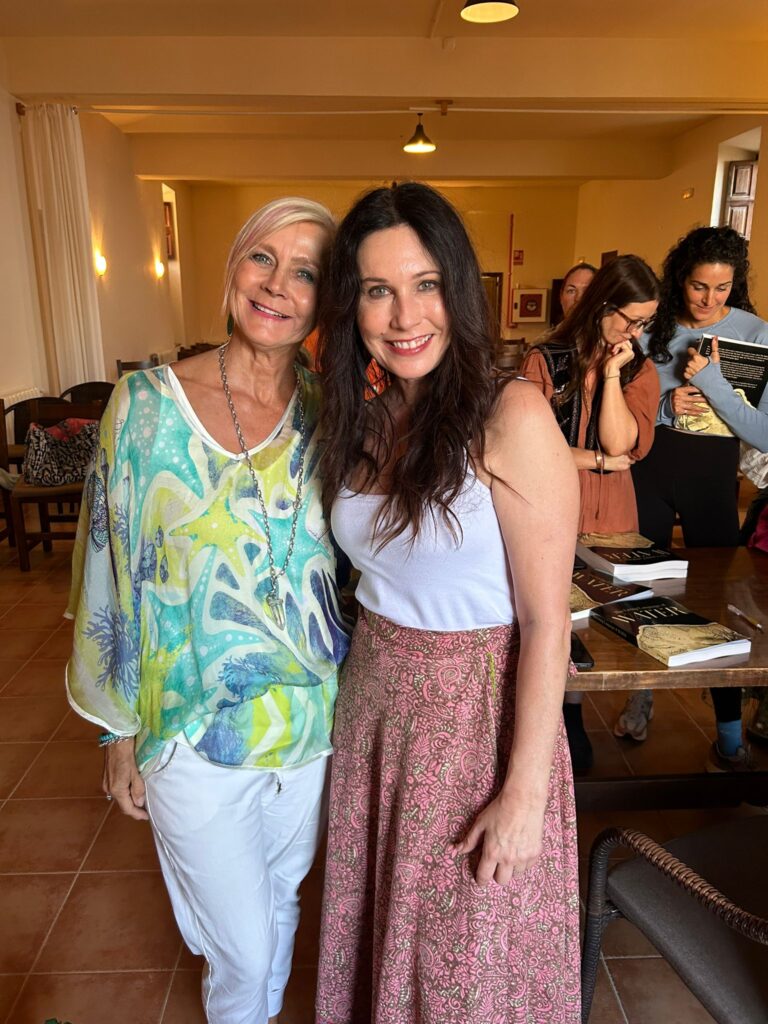
The Living Language of Water: Veda Austin’s Exploration and Its Relevance to Modern Society In the realm of wellness and holistic health, few topics are as mysterious and yet so universally fundamental as water. Veda Austin, a water researcher and advocate for the conscious, living nature of water, has captured the attention of many by uncovering a hidden dimension to this essential element. Her investigation into what she calls “The Living Language of Water” challenges conventional scientific perspectives and invites a deeper, more spiritual understanding of water’s role in human life and consciousness.  Veda Austin shared her story and her research at the Cura Monastery in Randa (Mallorca) earlier this week, for her final stop of her UK/European book tour. Promoting her new book ‘The Living Language of Water’, Austin shared insights into her groundbreaking work, raising profound questions about how we, as a society, relate to water in the modern world. Veda Austin’s Journey: A Personal Call to Explore Water Veda Austin’s fascination with water began with a personal healing story. Several years ago, after a car accident left her with significant injuries, she sought unconventional methods of healing. It was through this journey that she discovered what she believes to be water’s inherent intelligence and capacity to communicate. Rather than merely being a substance that supports life, Austin argues that water is a conscious entity capable of interacting with its environment, particularly with human consciousness. Her story, which she passionately shared during the talk, is rooted in her direct experiences with water. What started as a personal healing journey transformed into a lifelong passion to investigate water’s properties and its potential to reveal deeper truths about existence. Austin’s work lies at the intersection of scientific inquiry and spiritual exploration, offering a new perspective that views water as not only a physical resource but also a medium of communication, connection, and healing. The Science and Mystery Behind Water’s “Language” Austin’s central thesis is based on her research into water’s ability to respond to human intention and emotion. While the notion of water having “memory” or “intelligence” may seem far-fetched to some, she builds on the work of pioneers like Dr. Masaru Emoto, whose studies on how water crystals form in response to thoughts, words, and music first opened the door to this idea. Austin takes this concept a step further, using a technique she developed called “hydroglyphics”. In her research, she freezes water and photographs its crystals, observing intricate and seemingly purposeful patterns that she interprets as symbolic responses to stimuli such as words, images, and even human or animal presence. What makes Austin’s research compelling is the way she blends scientific curiosity with an openness to the mystical and unseen. She acknowledges that her work is not easily explainable within the confines of traditional scientific methods. However, through meticulous observation and repeated experimentation, she has cataloged hundreds of water crystal formations that appear to show recognisable shapes and symbols in response to specific inputs. For example, during her talk, she displayed images of ice crystals that had formed in the shape of hearts, faces, animals or human features after being exposed to related words, images or with human interaction such as a finger dipped in the water prior to being frozen. These shapes, Austin claims, are not random but are part of an intelligent communication system that water uses to reflect the intentions and emotions directed toward it. In her view, water is not passive but an active participant in the dialogue with human consciousness, offering insights that could transform how we approach health, well-being, and our relationship with the natural world. The Deeper Implications of Austin’s Research Austin’s work carries deep implications for how we view water in society today. In a world grappling with climate change, pollution, and water scarcity, her research suggests that water is more than just a resource to be managed. Instead, it is a living entity that deserves respect, care, and mindful interaction. One of the most significant points she makes is the importance of intention. If water truly responds to human consciousness, as her research indicates, then the way we treat water—in our bodies, in nature, and in society—could have far-reaching consequences. This idea echoes ancient indigenous beliefs that water is sacred and should be treated with reverence. Austin’s modern approach to this ancient wisdom reminds us that technological advancements and scientific knowledge have not diminished the spiritual importance of nature’s elements. Rather, they offer new ways of understanding and deepening our relationship with them. The Role of Water in Wellness and Healing From a wellness perspective, Austin’s research opens exciting possibilities. If water holds the ability to communicate and respond to human emotions, it may be a key element in holistic healing practices. Many wellness traditions, including Ayurveda, traditional Chinese medicine, and various forms of energy healing, already emphasise the importance of water in maintaining physical and emotional balance. Austin’s work could provide a scientific bridge to these ancient practices, offering a new understanding of how water supports healing not just by hydrating the body, but by energetically aligning with the individual’s emotional and mental state. During her talk, Austin shared anecdotes from individuals who have used her techniques to foster deeper connections with water in their wellness routines. Whether through meditation, intentional drinking of water, or immersing oneself in natural water sources, many report profound experiences of healing and clarity. The key, according to Austin, is to engage with water consciously—treating it as a partner in the process of well-being rather than a mere object to consume. Modern Society’s Disconnect from Water In today’s fast-paced, technology-driven world, water is often seen as a commodity—something we access through taps, bottles, or industrial processes. This disconnect from water’s deeper significance may contribute to how carelessly we use and pollute this vital resource. Austin’s message is a wake-up call, urging us to rethink our relationship with water at both personal and societal levels She points out that many of the world’s current water crises, from droughts to pollution, are

Home 1, Mallorca 1

Mallorca top 10 Beaches

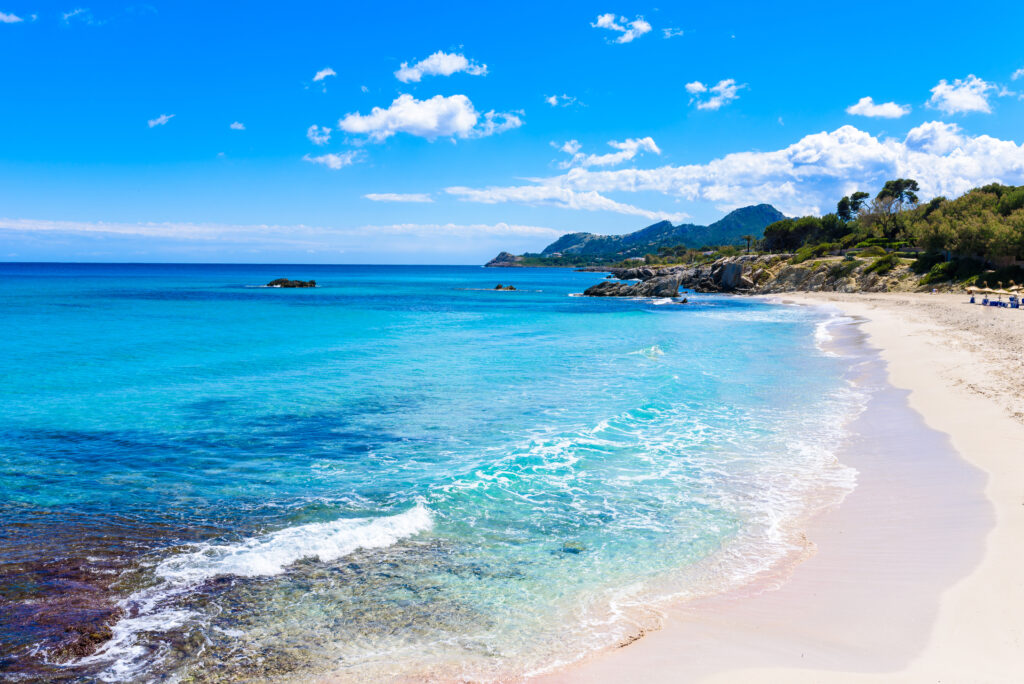
Mallorca, the largest of the Balearic Islands, is renowned for its breathtaking beaches. From hidden coves and dramatic cliffs to wide sandy stretches, the island offers a beach for every kind of traveller. Whether you’re a sunbather, an adventurer, or someone looking to escape the crowds, Mallorca has something special to offer. Here’s our list of the top 10 beaches in Mallorca that you won’t want to miss. 1. Es Trenc Location: South of the island, near Campos Size: 2 km long x 35 m wide Why it’s great: Es Trenc is often considered the “Caribbean of Mallorca” thanks to its long stretch of powdery white sand and crystal-clear waters year round. This beach has a natural, unspoiled charm and is part of a protected nature reserve. It’s perfect for those who want to enjoy a tranquil day by the sea, though it can get a little crowded in peak summer months. Highlights: Facilities: 2. Cala Agulla Location: Northeast coast, near Cala Ratjada Size: 500 m long x 50 m wide Why it’s great: Cala Agulla is a beautiful bay surrounded by pine forests and high cliffs, offering stunning natural scenery. The beach itself is wide, with soft sand and clear waters, perfect for both families and water sports enthusiasts. There are plenty of facilities nearby, including restaurants and beach bars, making it easy to spend a whole day here. Highlights: Facilities: 3. Cala Mondragó Location: Southeast coast, within Mondragó Natural Park Size: 75 m long x 60 m wide Why it’s great: Cala Mondragó is an idyllic spot within a protected natural park. The beach features calm, clear waters perfect for swimming and is surrounded by lush green hills and scenic walking paths. It’s less commercialized than some of the other beaches, providing a peaceful escape. Highlights: Facilities: 4. Playa de Muro Location: North of the island, near Alcúdia Size: 6 km long x 40 m wide (variable) Why it’s great: Playa de Muro is one of Mallorca’s longest beaches, stretching for over 6 kilometers, and broken down into four different areas. The fine sand and shallow, warm waters make it a fantastic option for families. It’s also a great spot for watersports, including sailing, windsurfing, and jet skiing. The beach has a lively atmosphere but is never overwhelmingly crowded. Highlights: Facilities: 5. Cala Figuera Location: Southern coast, near Santanyí Size: 45 m long x 40 m wide (variable) Why it’s great: Cala Figuera is a small, picturesque beach with clear waters nestled in a charming cove, mad of sand, pebbles and rocks. The beach is surrounded by steep cliffs and lush greenery, making it an excellent spot for those seeking seclusion. There are also plenty of restaurants around the area where you can enjoy fresh seafood while taking in the view. Highlights: Facilities: 6. Cala Llombards Location: South coast, near Santanyí Size: 55 m long x 150 m wideWhy it’s great: Cala Llombards is a small but stunning beach, known for its turquoise waters and surrounding cliffs. It’s perfect for those looking for a peaceful day by the sea, close to the sleepy, traditional village of Es Llombards set away from the bustling tourist hotspots. The beach is well protected by rocky outcrops, creating a sheltered bay. Highlights: Facilities: 7. Cala Formentor Location: North coast, near Pollensa (Pollença) and Puerto Pollensa Size: 1 km long x 12 m wide (variable)Why it’s great: Cala Formentor is a beauitful beach framed by high cliffs and pine trees. The combination of golden sand and clear, calm waters makes it a top destination for both relaxation and water activities. The beach is fairly well known, but it’s far enough away from Puerto Pollensa to not get too busy, and only accessible by bus in the peak summer season. Highlights: Facilities: 8. Playa de S’Amarador Location: South coast, near Cala Mondragó Size: 145 m long x 50 m wide Why it’s great: This hidden gem is part of the Mondragó Natural Park and won the “best beach in Europe” award out of 3000 European beaches! Playa de S’Amarador offers clear, turquoise, calm waters and is surrounded by lush vegetation and rocky hills. The beach is typically quieter than others, making it a great escape from the crowds. You can follow a pathway to the equally beautiful neighbouring beach at Cala Mondragó, which is 300 to 400 metres away Highlights: Facilities: 9. Cala Varques Location: East coast, near Portocolom Size: 90 m long x 60 m wide Why it’s great: Cala Varques is a stunning, secluded cove surrounded by rocky cliffs and pine forests. Its turquoise waters and beautiful surroundings make it a perfect spot for relaxation, and it’s relatively untouched by mass tourism. The beach can be a bit tricky to access, but that’s part of its charm. Highlights: Facilities: 10. Cala d’Or Location: Southeast coast, near the town of Cala d’Or Size: 30 m long x 40 m wide Why it’s great: Cala d’Or translates into “The Golden Bay” in English, and offers a beautiful beach located close to the resort town of the same name. It features soft sand and calm, shallow waters, making it perfect for families and children. The nearby marina and town offer plenty of restaurants, shops, and entertainment, adding to its appeal for those who enjoy a bit of vibrancy with their beach day. Highlights: Facilities: Mallorca’s beaches are as diverse as they are beautiful. Whether you’re seeking a remote cove to escape the crowds or a lively beach with plenty of activities, the island offers something for everyone. From the pristine shores of Es Trenc to the serene beauty of Cala Mondragó, these are amongst the top 10 beaches representing some of the best of what Mallorca has to offer. So pack your bags, your sunscreen, grab your beach towel, and get ready to explore the stunning coastlines of this Balearic paradise! A little insider tip – as a local, we do tend to keep a few of our favourite places and spaces to ourselves,

Scroll to Top